
Travis Heights Renovation: Working Within Historic Guidelines
November 6, 2025
November 6, 2025
Do you love the charm of your Travis Heights bungalow but worry that updates could undercut its historic appeal? You are not alone. Sellers across 78704 want smart improvements that boost value without creating review headaches or altering the streetscape buyers love. In this guide, you will learn how to plan updates that respect neighborhood character, when approvals are required, and which changes deliver the best return when you list. Let’s dive in.
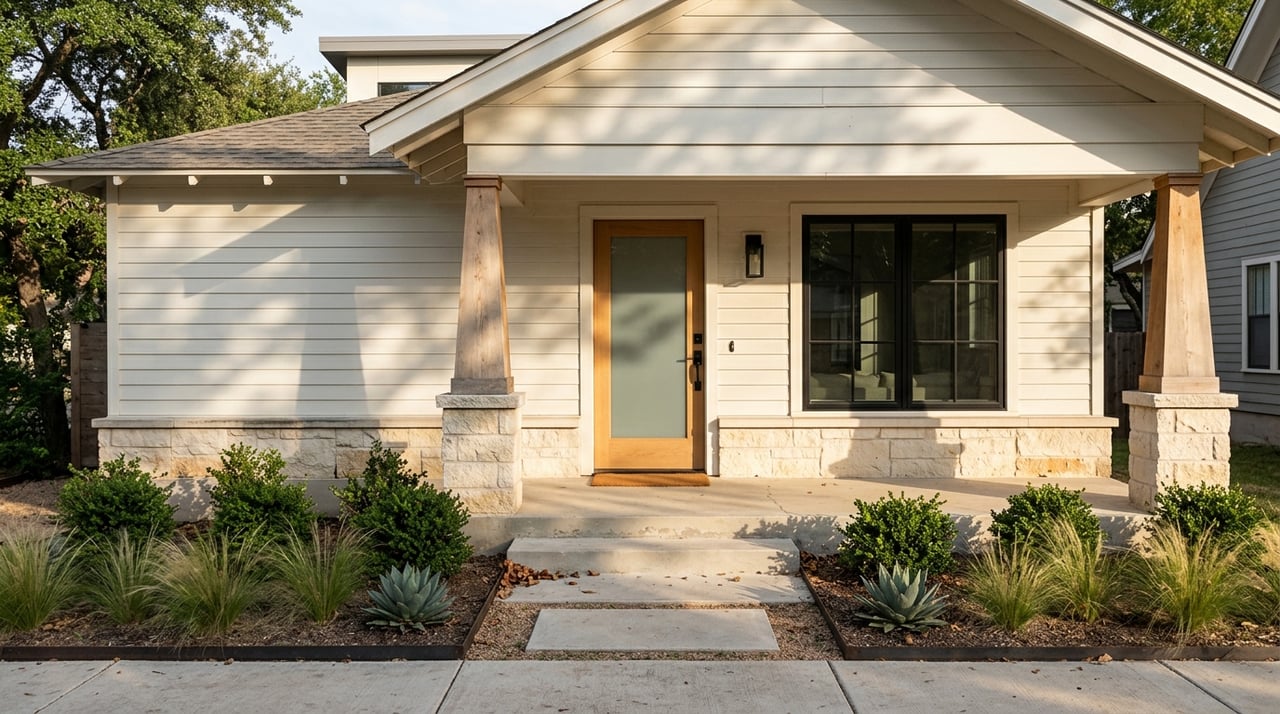
Travis Heights grew during Austin’s early streetcar era, so many homes date from the 1910s to the 1930s. The neighborhood’s character comes from compact lots, tree-lined streets, and front porches that face the sidewalk. Buyers are drawn to that timeless, pedestrian-friendly feel.
Several details define a classic bungalow here:
Preserving these elements supports both neighborhood character and resale value. You can modernize for comfort while keeping the look that makes Travis Heights distinct.
Before you start, confirm your property’s historic status. A home may be part of a National Register district, a City of Austin local historic district, or a designated local landmark. The differences matter. National Register status alone does not trigger city design review, but local designation usually does.
If your home is locally designated or a landmark, exterior work often needs approval before permits are issued. The City of Austin’s Historic Preservation Office reviews these projects and issues Certificates of Appropriateness when required. Review the process and contact staff using the City of Austin Historic Preservation Office resources. You can find program details and staff contacts on the City’s Historic Preservation Office website.
To understand how decisions are made, look at the nationally recognized framework used by many cities. The Secretary of the Interior’s Standards for Rehabilitation outline principles like repair over replacement and compatible but differentiated new work. For practical how-tos, browse the National Park Service Preservation Briefs for guidance on windows, siding, porches, paint, and more.
Your front façade sets first impressions and often drives buyer interest. Focus on the character-defining features that shape the streetscape.
Treat the front porch as a top priority. Repair porch columns, railings, and flooring whenever possible. If replacement is necessary, match profiles and materials to the original. Simple, well-executed porch repairs do a lot of heavy lifting for curb appeal. For methods and materials, consult NPS guidance in the Preservation Briefs.
Keep the original roof form and overhangs intact. If you re-roof, choose materials that match the original look and scale. Avoid changing the roofline with features that stand out from the street. Exposed rafter tails are a hallmark of Craftsman-era homes, so preserve them when feasible.
Original wood siding and trim often can be repaired. When sections must be replaced, match the existing profile and exposure. In some cases, substitutes like fiber-cement can be acceptable if they replicate the historic appearance and meet local guidance.
Repair original wood windows if you can. Properly weather-stripped windows with storm units usually perform well and maintain authenticity. If replacement becomes necessary and is approved, match sash proportions, muntin patterns, and operation. The NPS Preservation Briefs provide solid, step-by-step approaches to window repair and energy improvements.
Preserve the front yard’s modest setback and open feel. Avoid paving over the front yard. If you need off-street parking, prioritize alley access or a discreet side driveway. Keep fences low and open to maintain visibility and rhythm along the block. Coordinate tree work with city requirements where applicable.
A fresh coat of paint in a period-appropriate palette can sharpen your curb appeal without changing historic fabric. Balanced trim and body colors help highlight the bungalow’s details.
Inside, you can pursue modern comfort while protecting the features buyers associate with an authentic bungalow.
Update electrical, plumbing, and HVAC to current standards. Run new wiring or ductwork through attics or crawlspaces where possible to limit impacts on historic finishes. Efficiency, safety, and comfort form the foundation for a strong sale.
You can modernize kitchens and bathrooms without historic review if the work does not affect the exterior. Retain or replicate built-ins where they exist, and keep room proportions whenever practical to maintain the home’s natural flow. Thoughtful layouts with quality finishes resonate with buyers.
Refinish original hardwoods and retain historic trim profiles. If repair is needed, match wood species and profiles to keep a consistent look.
Improve attic insulation, seal air leaks, and consider options like ductless mini-splits that require minimal alteration. Many energy upgrades can be done without touching exterior materials, which helps with both review and authenticity.
Add handrails, better lighting, or discreet entry solutions in ways that are reversible and visually low impact from the street. These improvements serve more buyers and can be done in a style that blends with the bungalow’s character.
A stepwise plan keeps you on schedule and aligned with local expectations.
Factor in additional time for historic review when the exterior is involved. Some items can be approved administratively, while more substantial changes may require a commission hearing. Align your listing timeline with that reality to avoid last-minute surprises.
Get multiple bids from contractors experienced with older homes. Expect contingencies for rot, termite damage, outdated wiring, or foundation issues. Prioritize structural stability, building systems, and weatherproofing before cosmetic finishes.
Keep a clean paper trail. Save permits, Certificates of Appropriateness, contractor invoices, warranties, and a detailed list of materials and methods. This packet shows buyers that work was done thoughtfully and in line with best practices.
Buyers in Travis Heights often seek authenticity plus everyday comfort. That means restored features like porches, windows, and floors, combined with modern systems, updated kitchens and baths, and discreet parking solutions. When you keep exterior character intact and show thoughtful improvements inside, you tap into what the neighborhood’s market values most.
Following the review process, referencing the Secretary’s Standards, and using the NPS Preservation Briefs for details will help you avoid missteps and accelerate approvals. Thoughtful planning, credible documentation, and quality execution make your sale more compelling and reduce deal risk.
If you want a streamlined path from make-ready to market, you can partner with a listing specialist who coordinates vendor bids, staging, photography, and timeline management while respecting historic context. Schedule your free consultation with Kevin Haines to discuss the best mix of repairs, improvements, and marketing to maximize your outcome in Travis Heights.
Helpful resources:
Stay up to date on the latest real estate trends.
Whether selling or buying, Kevin's clients appreciate his down-to-earth attitude and his commitment to ensuring every transaction is smooth and successful.