Thinking about listing your Barton Hills home but not sure where to start? Preparing a property in 78704 can feel overwhelming, especially when buyers expect indoor-outdoor living, clean design, and smooth showings. This guide gives you a clear, step-by-step make-ready plan tailored to Barton Hills. You will learn what to prioritize outside and in, how to handle permits and disclosures, and where staging and light updates pay off. Let’s dive in.
What Barton Hills buyers expect
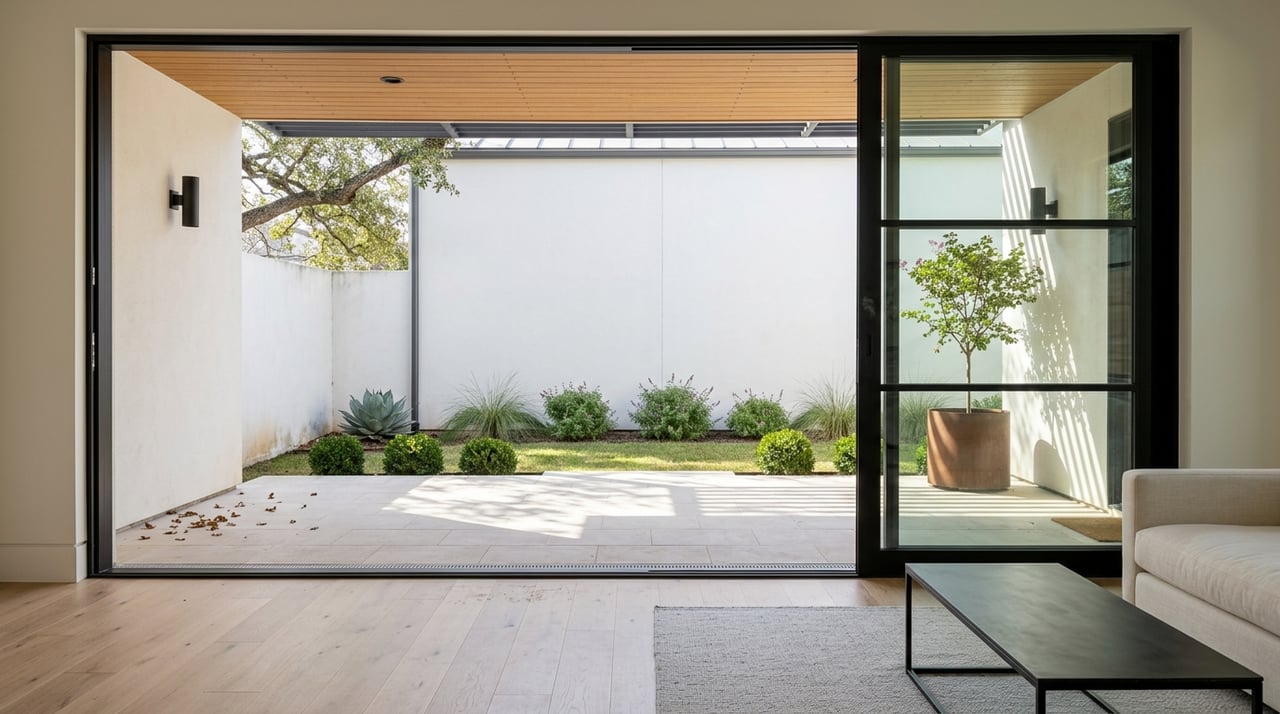
Barton Hills buyers value access to the Barton Creek Greenbelt and nearby parks, mature trees, and a livable floor plan that flows to the yard. They respond to homes that feel move-in ready with clean lines, neutral finishes, and simple, usable outdoor spaces. Staging is a proven lever for both photos and time on market, and national data supports prioritizing living spaces, the primary bedroom, and the kitchen for the best return on effort. You do not need a full remodel, but you should focus on small, high-impact updates and presentation.
Exterior checklist: first impressions
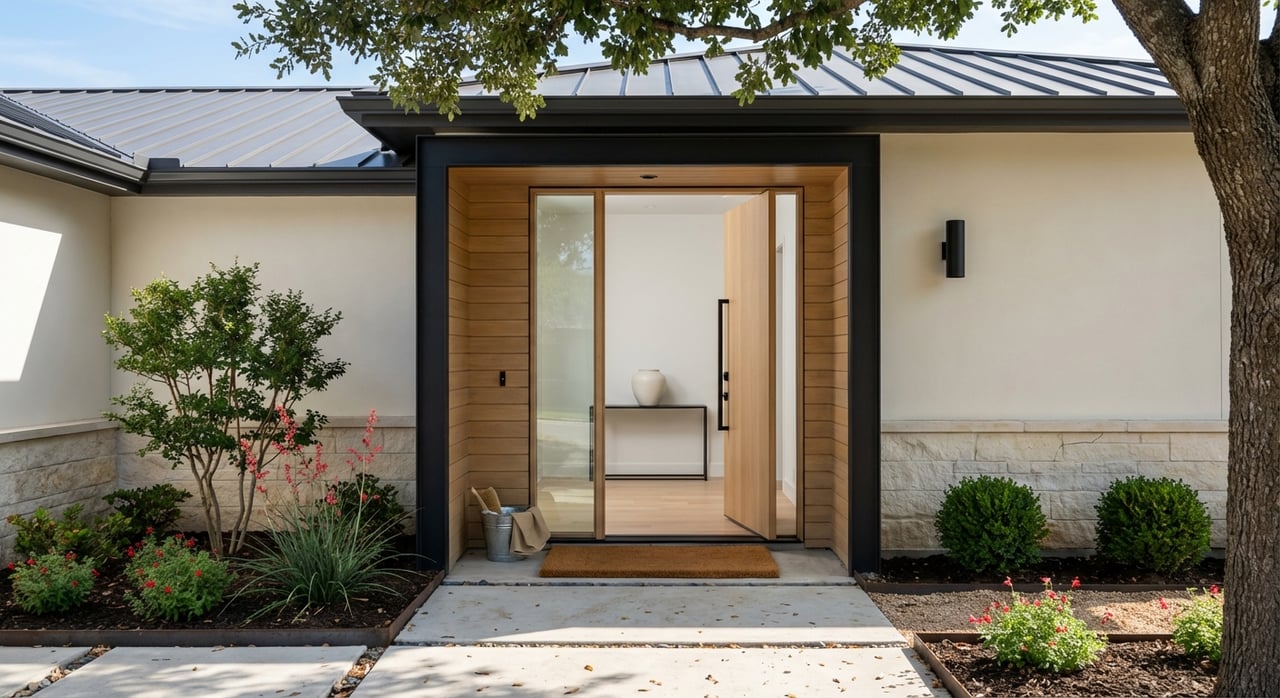
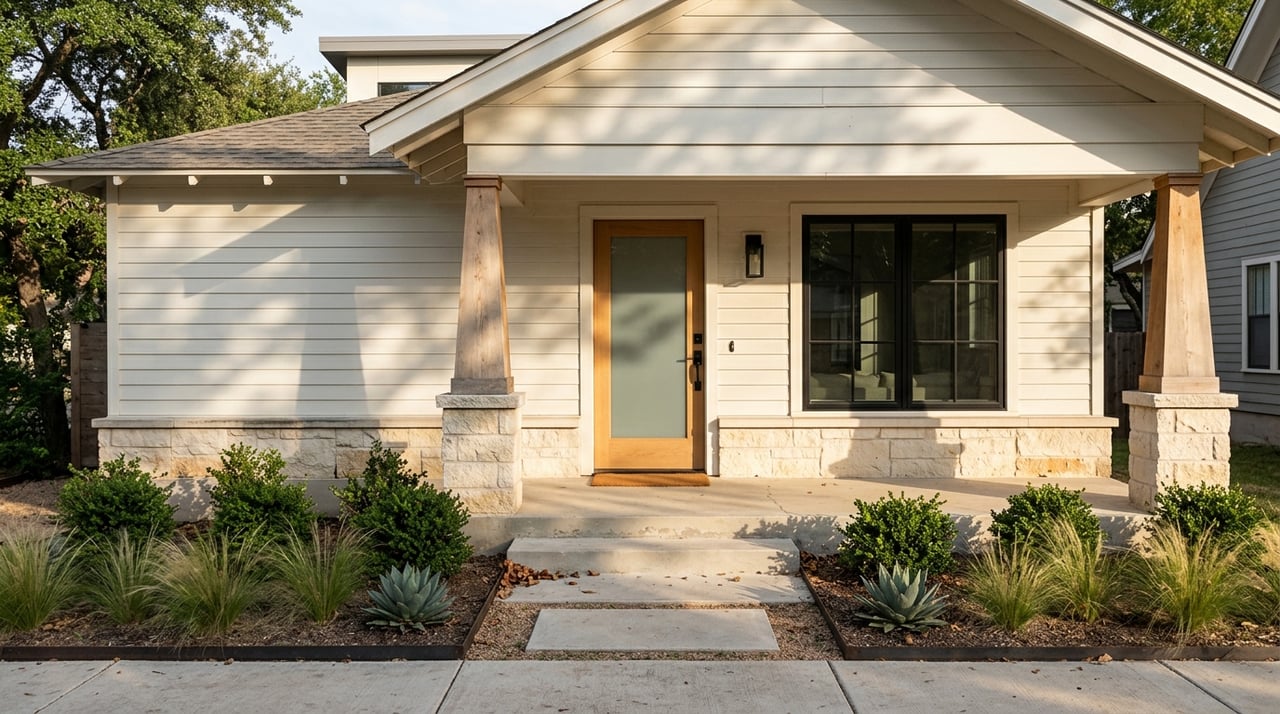
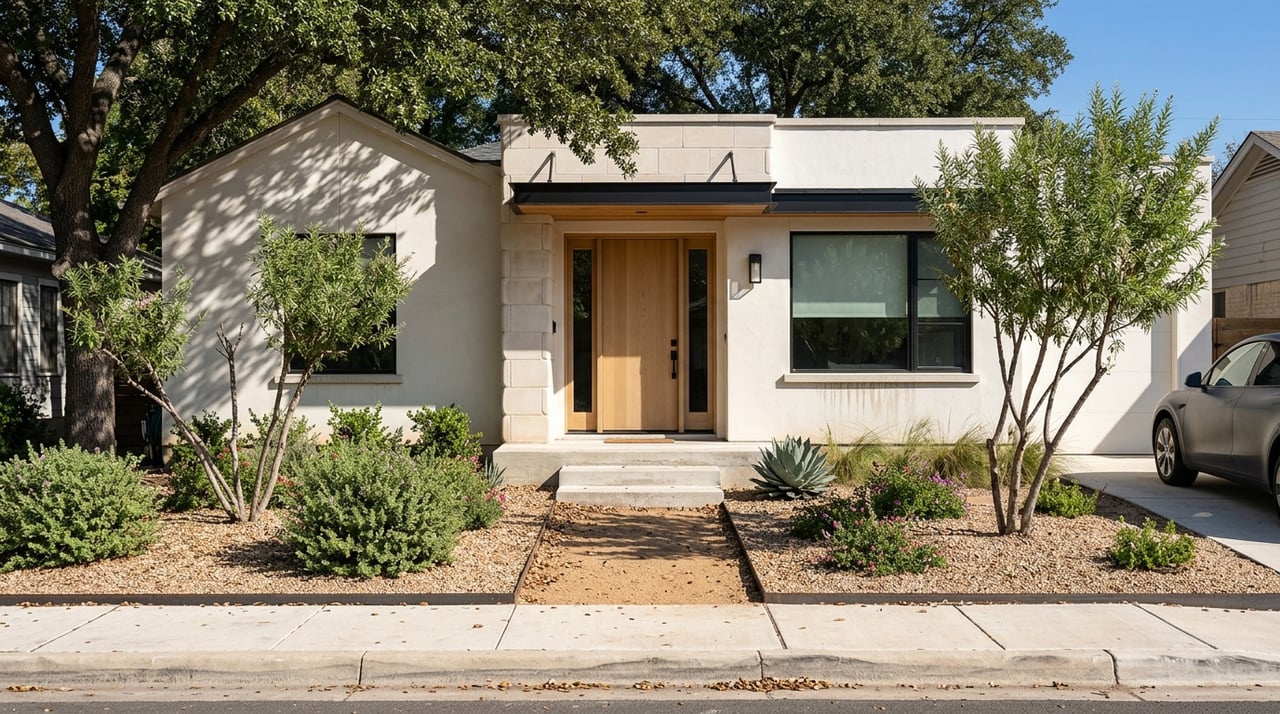
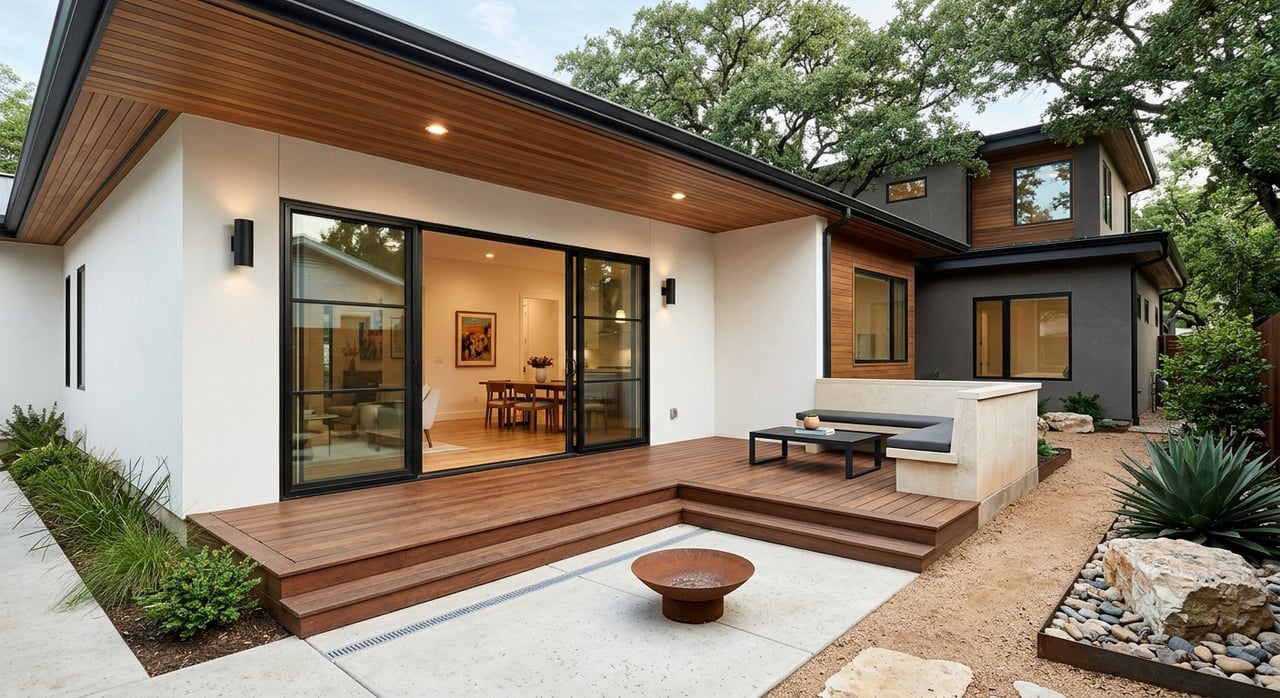
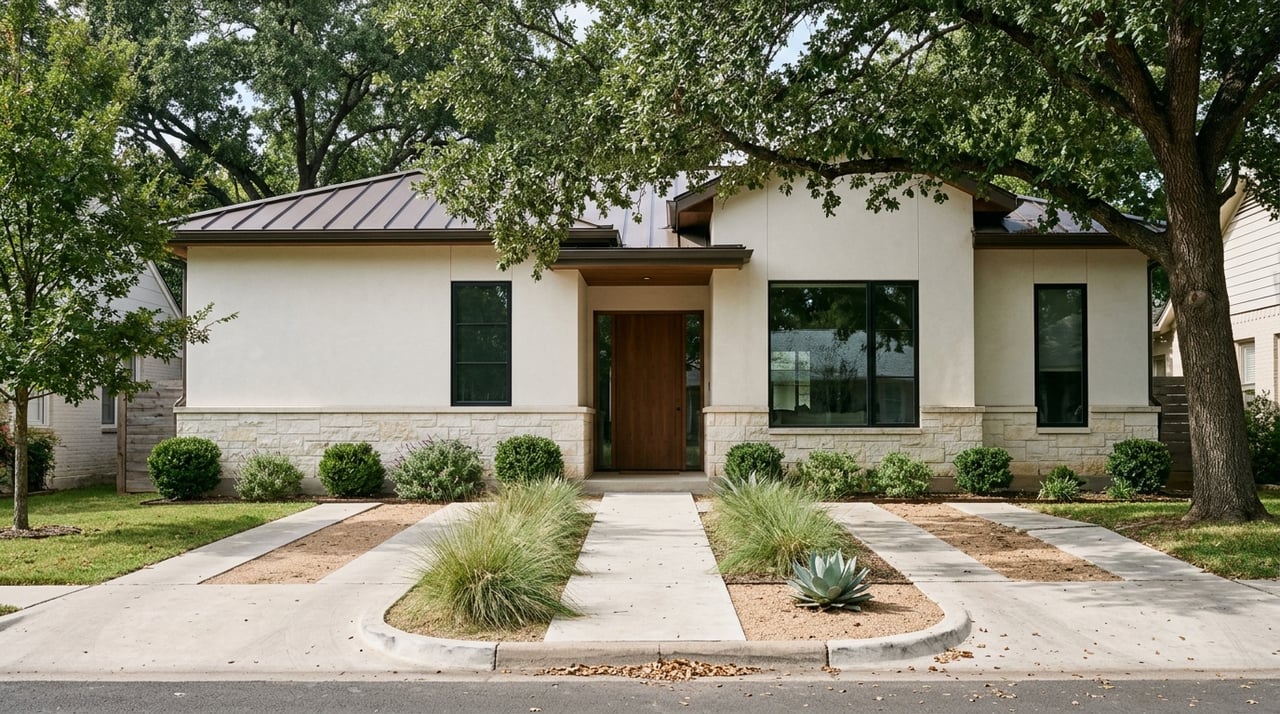
Your yard and entry set the tone before buyers step inside. In Barton Hills, outdoor appeal matters because it connects to trail and park lifestyles.
Clean and tidy basics
- Mow and edge, trim shrubs, remove debris, clear gutters, and power-wash driveway and porch.
- Refresh mulch and define beds to make the yard read as low maintenance.
- Use native or adapted plants from the City of Austin’s Grow Green guide for a water-wise refresh that looks great in photos. Refer to the City’s Grow Green plant recommendations for Central Texas native choices: City of Austin Grow Green plant guide.
Tree care and rules
- Identify any mature oaks or pecans that are focal points. Protect canopy during work.
- Major pruning or removal of regulated trees can require a City permit. Plan time for arborist review and approvals if needed. For rules on protected and heritage trees, see the City’s overview: Trees on Residential Property.
Small exterior repairs with impact
- Touch up or repaint trim, repair loose gutters, and replace damaged shingles visible from the street.
- Update the front door and hardware for a clean, secure first impression.
- Repair fences and gates for smooth operation and safety.
Driveway, garage, and storage
- Clear cars from the driveway for photos. Organize or partially empty the garage.
- If needed, use short-term storage so the garage reads as usable storage space.
Interior checklist: high-ROI fixes
Inside, target the updates buyers notice first. Keep tones light and consistent so rooms feel bright and calm.
Systems and safety checks
Buyers, inspectors, and appraisers notice basic maintenance. A few proactive steps can prevent deal friction later.
- Service the HVAC, change filters, and keep receipts available for buyers.
- Check for leaks, running toilets, and loose outlets. Confirm GFCI in wet areas.
- Confirm smoke and carbon monoxide detectors are present where required.
- If you suspect activity, consider a pest or termite check ahead of listing.
Permits and disclosures to complete
A clean file reduces risk and supports a smooth closing. Handle these items before contractors begin.
Timeline and budget plan
Here is a typical make-ready schedule. Adjust to your home and availability.
Phase 0: Planning and permits, weeks 0 to 2
- Walk-through with your agent, vendor bids, permit checks, and scope decisions.
- Confirm whether you will pay directly or use a program like Compass Concierge, then finalize scheduling.
Phase 1: Stabilize and clean, weeks 1 to 2
- Declutter, deep clean, minor repairs, HVAC service, and any pest checks.
Phase 2: Cosmetic upgrades, weeks 2 to 4
- Paint and flooring, landscaping refresh, and staging setup aimed at the rooms that matter most.
- Staging costs vary by size and scope. National samples suggest an initial consultation can run a few hundred dollars and full staging can range from the low thousands, with monthly fees if items remain. See typical ranges here: How much does home staging cost?.
Phase 3: Photos and launch, weeks 4 to 5
- Schedule professional photos immediately after staging. Consider twilight and aerial shots to highlight greenbelt proximity. Go live on MLS and open for showings right away.
Staging that fits Barton Hills
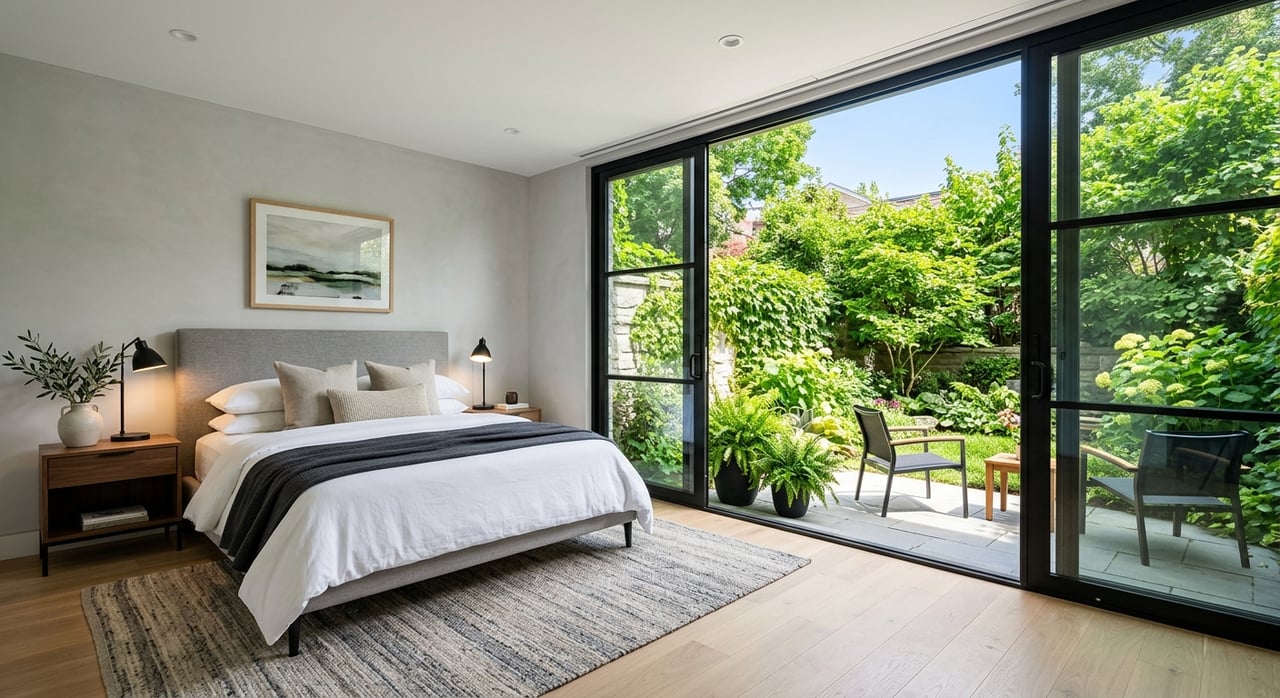
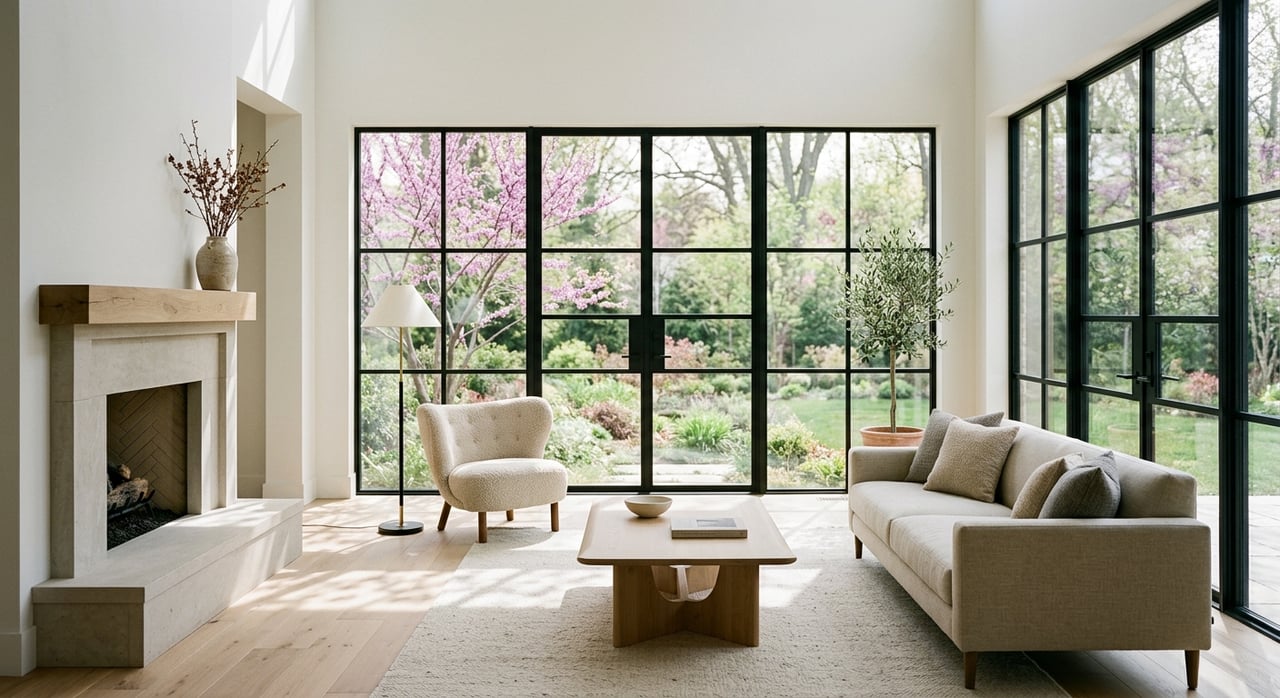
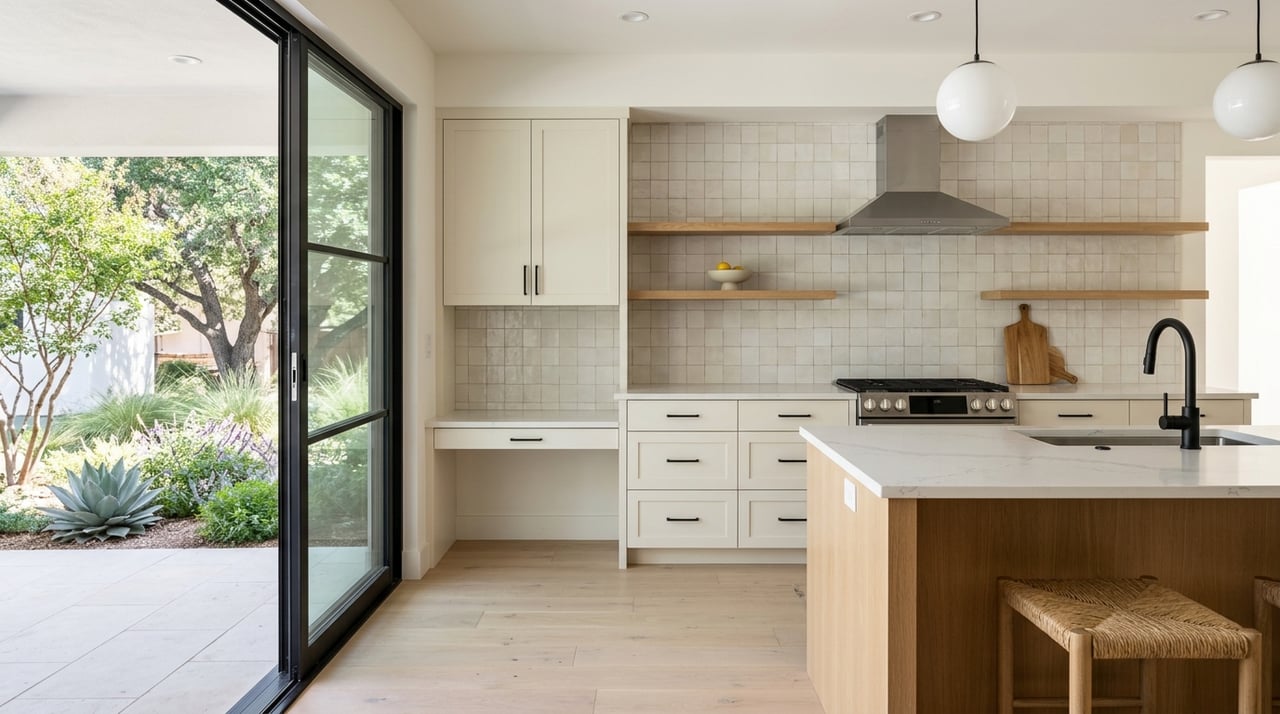
Staging is about showing buyers how they will live in the home. In Barton Hills, highlight indoor-outdoor flow, flexible living spaces, and calm, natural materials. Focus on the living room, primary bedroom, and the kitchen or dining area for the strongest impact, since these rooms anchor decision making.
NAR research finds that staging helps buyers visualize living in a home and can reduce time on market. You do not need to stage every room. A selective strategy often delivers most of the upside without overextending your budget. Keep accessories minimal, use neutral textiles, and hide pet items during showings.
Photo and launch checklist
Make sure your home is photo-ready, then keep it show-ready.
- Remove excess furniture to open up pathways and improve room scale.
- Clear counters and vanities, hide trash and recycling, replace towels and bedding with neutral sets.
- Turn on all lights and open blinds for consistent brightness.
- Move cars off the driveway for curb photos and confirm any drone shots align with local rules.
- Provide the photographer a shot list that includes curb, entry, main living, kitchen, primary suite, yard flow, and nearby amenities.
Quick make-ready one-pager
Use this summary to stay on track.
- Declutter and depersonalize now, then schedule a whole-home deep clean.
- Service HVAC and test smoke and CO detectors.
- Handle small repairs, paint high-impact rooms in neutral tones, and refresh landscaping.
- Protect mature trees and confirm permits before major pruning or removal.
- Complete the TREC Seller’s Disclosure and, for pre-1978 homes, deliver the EPA lead pamphlet and follow RRP rules.
- Choose staging scope for the living room, primary bedroom, and kitchen or dining, then book photography 48 to 72 hours after staging install.
How Kevin streamlines your sale
You do not have to manage this alone. With deep Barton Hills roots and a vetted vendor network, Kevin coordinates make-ready from start to finish. That includes scoped updates, staging, photography, and premium Compass marketing. If you want to avoid upfront costs, Compass Concierge can front eligible improvements like staging, painting, flooring, landscaping, and minor repairs with no payment due until closing in many markets. Review how the program works here: Compass Concierge.
Ready to build your custom make-ready plan and go live with confidence? Schedule your free consultation with Kevin Haines and get a step-by-step path to market.
FAQs
What should Barton Hills sellers prioritize first?
- Start with curb appeal and a deep clean, then handle paint, flooring touch-ups, and staging in the living room, primary bedroom, and kitchen for the best return.
Do I need a permit to trim or remove trees?
- Significant pruning or removal of protected or heritage trees often requires a City of Austin permit, so review the rules before hiring an arborist: Trees on Residential Property.
How does Compass Concierge help Austin sellers?
- Concierge can front eligible pre-listing costs and coordinate vendors, then collect repayment at closing in many markets, which can speed timelines and reduce cash strain: Compass Concierge.
What if my home was built before 1978?
- Provide the EPA lead pamphlet and required disclosures, and use RRP-certified pros for work that disturbs paint: EPA Lead Pamphlet and EPA RRP.
How much does staging usually cost?
- Costs vary by home and scope, but national ranges often include a several-hundred-dollar consultation and low-thousands for full staging plus monthly fees: staging cost guide.
What disclosures are required for Texas home sellers?
- Texas sellers must deliver the current TREC Seller’s Disclosure Notice, and pre-1978 homes require federal lead disclosures and the EPA pamphlet: TREC Seller’s Disclosure.