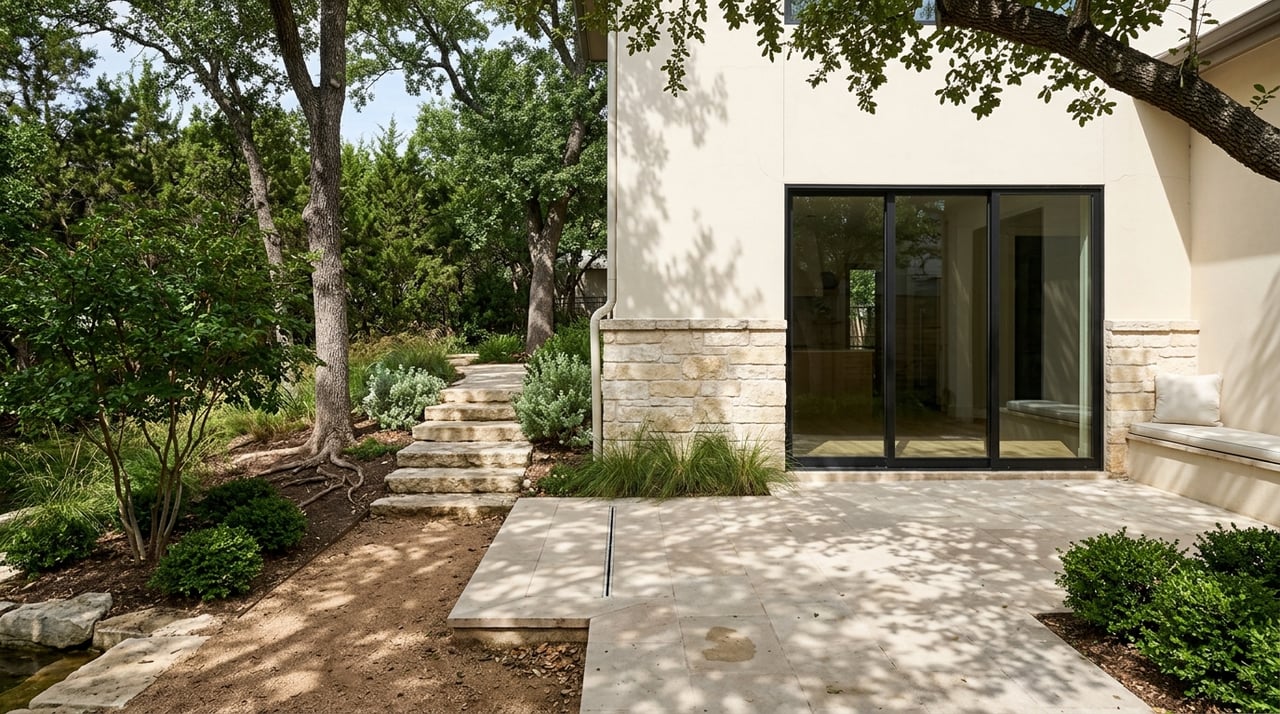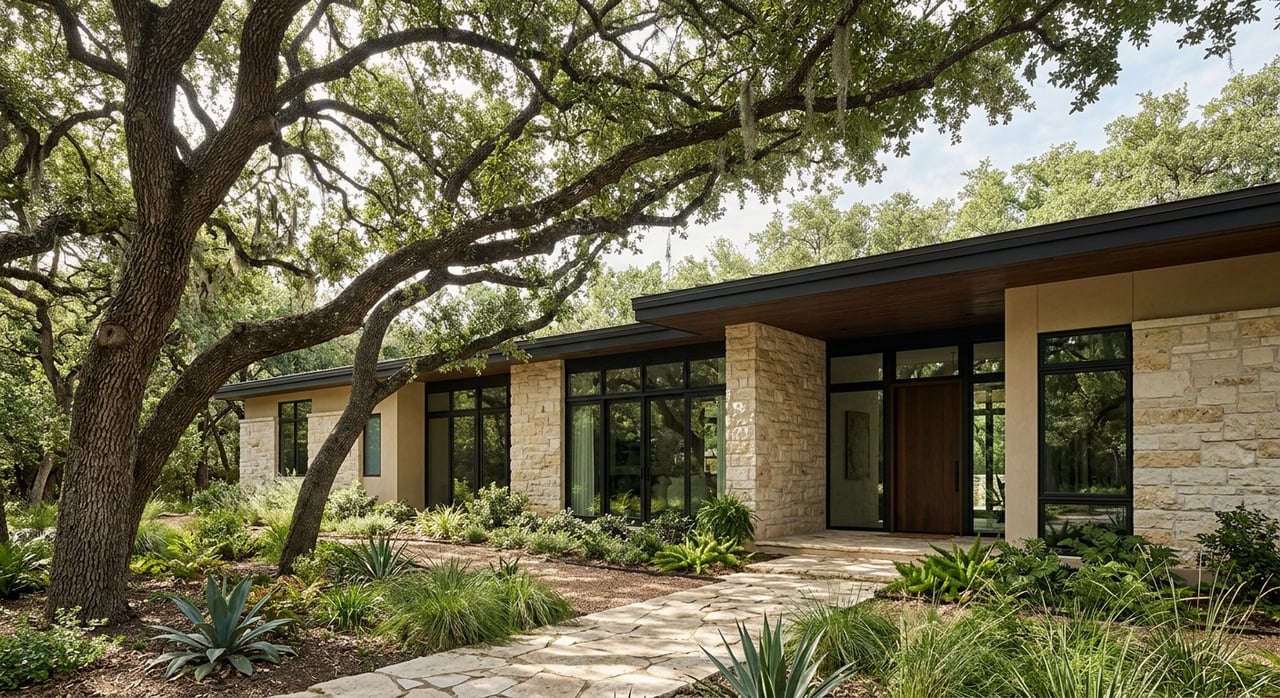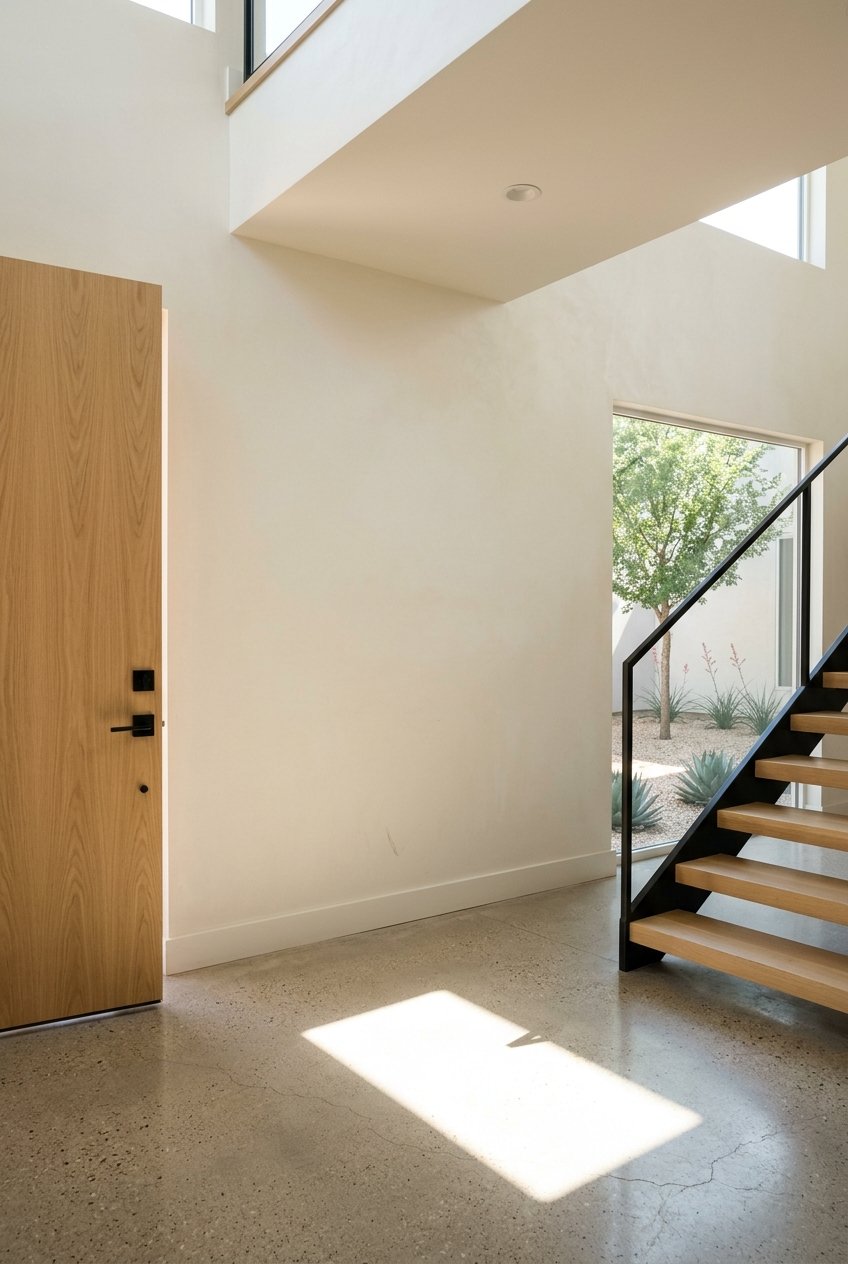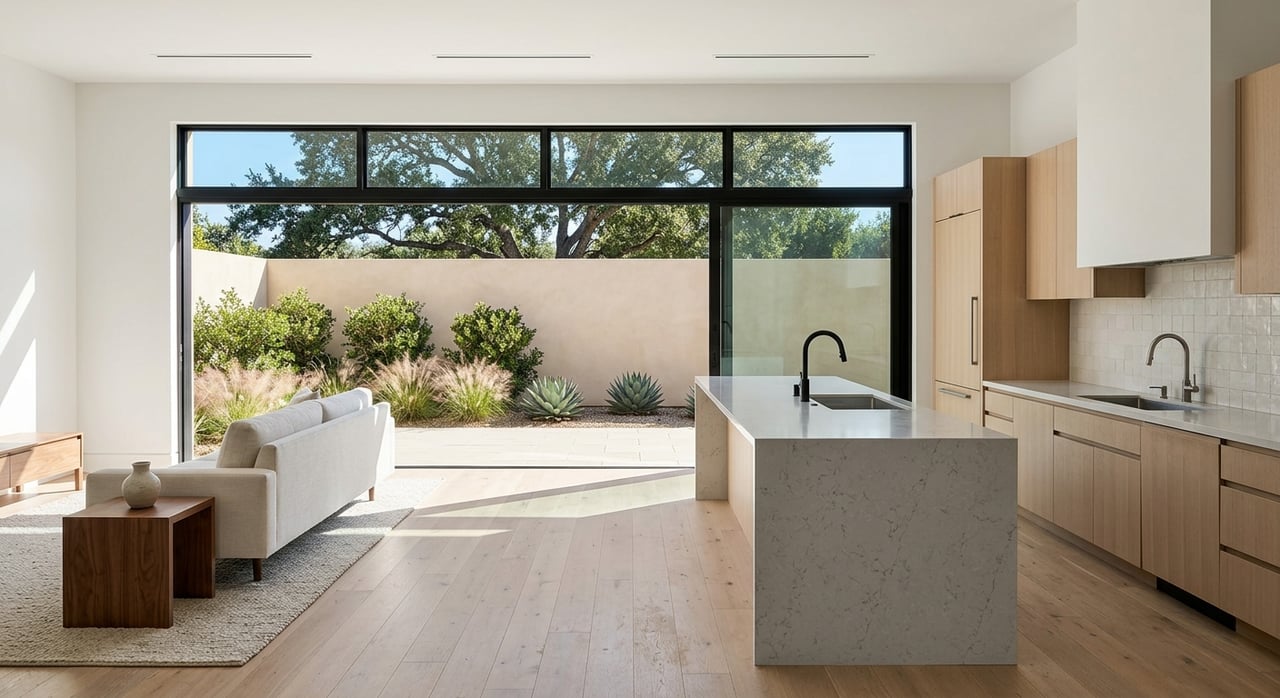
Wondering what your Zilker home should list for? In a neighborhood where one block can feel very different from the next, getting the price right is the most important move you make. You want a fast, clean sale and the best net, without leaving money on the table. This guide shows you how Zilker’s micro-markets work, what drives value here, and how to choose a pricing strategy that fits your goals. Let’s dive in.
Know your Zilker micro-markets
Not all 78704 addresses behave the same. In Zilker, buyers often think in three micro-markets that carry different price expectations:
- Park-adjacent blocks. Closest walking access to Zilker Metropolitan Park and Barton Springs, with unique premiums and event considerations.
- South Lamar and South Congress corridors. Lots near retail and dining attract buyers who value lifestyle and short commutes.
- Interior residential streets. A mix of bungalows, mid-century homes, and modern infill that require careful apples-to-apples comparisons.
For a deeper look at the lifestyle tradeoffs near the park, see this overview of living near Zilker Park in Austin on the Kevin Haines blog. It helps illustrate why one side of a street can price differently than the other based on access and feel.
A quick market snapshot
Recent public snapshots have shown Zilker medians roughly in the $730k to $975k range depending on the data source and whether condos are included. Price per square foot and days on market also vary by product type, with some recent readings near $620 per square foot and around 100 days on market. That spread comes from small sample sizes and different time windows. The takeaway is simple: use an MLS-based CMA for the precise number on your block, not a single portal estimate. For a consumer-friendly overview of how pricing is built, see the National Association of Realtors’ guide to pricing your home.
What drives price in Zilker
Park proximity and event effects
High-quality parks can add a measurable premium to nearby homes. Studies show values often rise within the first few hundred feet of a major park, though the size of the premium varies by block and view. In Zilker, immediate access to Barton Springs or direct trail routes can push value, while seasonal traffic and event weeks can temper the effect on some streets. Reviewing truly local comps is the best way to quantify your block’s net “park premium.”
- Research on how parks impact property values offers helpful context on why the premium exists.
- Local resources document neighborhood events and seasonal impacts that some buyers weigh when pricing.
Home style and condition
Zilker buyers notice design and execution. Preserved mid-century character or a well-done historic bungalow can command a niche premium. Newer infill often prices higher when it delivers more usable square footage and modern systems that reduce near-term maintenance. Dated or poorly executed renovations tend to drag value.
If you plan pre-list updates, target visible, cost-effective wins. Minor kitchen and bath refreshes, windows, lighting, and curb appeal upgrades often recapture more value and shorten time on market than large, high-end overhauls. Use local comps plus regional Cost vs. Value data to decide what to do now versus what to leave for the next owner.
Lot features, views, and terrain
Lot size and usability are powerful value drivers in Zilker’s infill fabric. Many single-family parcels cluster around 0.14 to 0.18 acres, but premium lots can be larger. Buyers pay close attention to:
- Usable backyard and privacy
- Alley access for parking or garage placement
- Mature tree canopy
- Sightlines to downtown or Lady Bird Lake
- Greenbelt adjacency, which can enhance lifestyle but may add permitting constraints
Properties near creeks or recharge features may face added environmental rules. Check the City of Austin Watershed resources early if your lot backs to sensitive areas.
Flood, aquifer, and environmental constraints
Some homes near Lady Bird Lake, Barton Creek, and connected channels sit in mapped flood zones or recharge areas. That affects permitting, insurance needs, and buyer confidence. Disclose status and be ready with facts.
- Confirm your parcel with FEMA’s flood map viewer.
- Review City of Austin groundwater and watershed resources to understand local constraints and protections.
Tree preservation and permits
Austin protects large and heritage trees. If your lot includes protected trees, removal or construction around them often requires permits or mitigation. These rules can change the economics of a teardown or addition, so flag tree issues before you set price expectations. The City details how tree preservation works and when permits apply.
Schools, walkability, and commute
Being near Zilker Elementary, South Lamar, and SoCo is a lifestyle driver for many buyers. Others focus on quick access to downtown or event venues. Keep school references neutral and always verify current boundaries with the district. Walkability and proximity to amenities often support stronger pricing for otherwise similar homes.
Build a data-backed price
Pricing starts with a tight CMA that prioritizes very local, recent sales. In a changing market, look first to sales from the last 90 days within about a half mile, expanding only when you must and documenting every adjustment.
- Use recent solds as the anchor, then layer pending and active listings for context.
- Adjust for square footage, lot size, beds and baths, condition and updates, ADU or pool, park or view advantages, and any atypical negatives like busy streets or encroachments.
- Paired-sale analysis helps you estimate how much a single feature adds or subtracts in Zilker.
For a clear overview of what goes into pricing and how to respond to market feedback, NAR’s consumer guide is a useful reference. Appraiser-style training materials also outline how to build and present adjustments in a way buyers and appraisers understand.
Price bands to expect
Because Zilker mixes product types, think in price bands rather than one median number:
- Entry condos, attached units, and small townhomes often trade below about $700k in some windows.
- Core single-family homes commonly range from about $700k to $1.25M, depending on lot, finish, and location.
- Premium properties near the park, larger lots, and newer high-end infill often sell above $1.25M, with a multi-million tail for exceptional sites.
These are snapshots to frame the conversation. Your exact number should come from an MLS-driven CMA pulled for your address and time frame.
Choose your pricing posture
Your list price should match your goal, supported by a defensible CMA.
- Aggressive entry pricing. Listing slightly under market can spark traffic and competing offers, especially in low-inventory segments. It works best when data shows strong demand at your price band.
- Conservative pricing. Listing above market may secure a headline price but risks longer days on market and later reductions. Properties that sit often net less after time and carrying costs.
Watch early signals. Low showings in week one, weak online engagement, or quick reductions on competing listings usually point to a price that is above the market. Treat the first 7 to 14 days as your calibration window and be ready to adjust.
Your pre-listing checklist
Use this focused plan to protect net proceeds and speed:
- Verify basics and taxes
- Pull your TCAD record, property details, and proposed tax bill so you can set clear net proceeds expectations.
- Confirm permits and use potential
- Check City of Austin permit history, recorded restrictions, and eligibility for ADUs under current HOME amendments.
- Check flood and watershed status
- Use FEMA’s map viewer and the City’s watershed resources to confirm if your lot has added insurance or permitting considerations.
- Assess trees early
- Identify protected or heritage trees that could affect additions or redevelopment. Budget time for permits if needed.
- Prioritize high-ROI prep
- Focus on decluttering, paint, landscaping, lighting, minor kitchen and bath refreshes, and window upgrades where they pencil. Use Cost vs. Value data plus local comps to size the scope.
- Build a tight CMA and plan
- Include 3 to 6 relevant solds and current active or pending listings. Document adjustments for park proximity, lot size, condition, and any second units so buyers see the logic.
- Launch with strong marketing
- Use professional photography, floor plans, and broad broker distribution to reach both local and relocation buyers.
- Evaluate offers for net, not just price
- Compare financing, appraisal contingencies, inspection credits, timeline, and concessions like rate buy-downs that can change your bottom line.
Put a local expert to work
Smart pricing in Zilker is about nuance, speed, and clear communication. With deep roots in Central Austin and a hands-on, vendor-managed approach, you can price with confidence, prepare efficiently, and launch with premium marketing that supports your number. If you are ready to talk strategy for your address, connect with Kevin Haines to Schedule Your Free Consultation.
FAQs
How does park proximity affect Zilker home prices?
- Large, high-quality parks often add a measurable premium, strongest within a few hundred feet. In Zilker, direct access to Barton Springs or trails can help value, while event-related traffic near certain blocks can temper it. Use truly local comps to quantify your block.
What pre-list updates deliver the best ROI in Zilker?
- Minor kitchen and bath refreshes, windows, lighting, landscaping, and curb appeal tend to recapture more value than full gut remodels. Validate scope with local comps and regional Cost vs. Value data before spending.
How do flood zones and watershed rules influence pricing?
- If your parcel maps into a flood zone or sensitive watershed area, buyers weigh insurance costs and permitting limits, which can narrow the pool and affect list strategy. Confirm status with FEMA maps and City watershed resources.
What is the best way to set a list price for a Zilker bungalow or infill home?
- Build an MLS-driven CMA using nearby, recent solds, then adjust for square footage, lot size, condition, ADUs, and park or view advantages. Use the first 7 to 14 days post-launch to validate or refine based on showings and engagement.
Should I list slightly under market to spark a bidding war?
- It can work in low-inventory segments with proven demand, but it is not universal. Your agent should confirm buyer depth in your price band and have a clear plan for handling multiple offers to protect net proceeds.
How accurate are online home value estimates for Zilker addresses?
- Automated estimates can help with broad trends, but Zilker’s micro-markets and diverse housing stock often fool algorithms. Rely on an MLS-based CMA prepared by a local agent for listing decisions.
Do protected trees limit my ability to add on or rebuild in Zilker?
- They can. Austin’s protected and heritage-tree rules require permits or mitigation for certain removals and can shape site plans. Identify tree constraints before you price for redevelopment potential.