Planning to sell your Zilker home soon? In Austin’s hot, humid summers, buyers pay close attention to cooling comfort, monthly electric bills, and whether a home feels modern and resilient. The right energy-efficient upgrades can boost showing appeal, shorten days on market, and support a stronger price when paired with solid documentation. In this guide, you’ll learn which improvements carry the most weight in Zilker, how to prioritize them, and how to showcase them so buyers see clear value. Let’s dive in.
Why efficiency sells in Zilker
Zilker sits in a hot-humid climate where summer cooling dominates energy use. Buyers want consistent indoor temperatures, low noise, and lower utility costs. They also appreciate modern systems and smart controls that fit an active Austin lifestyle.
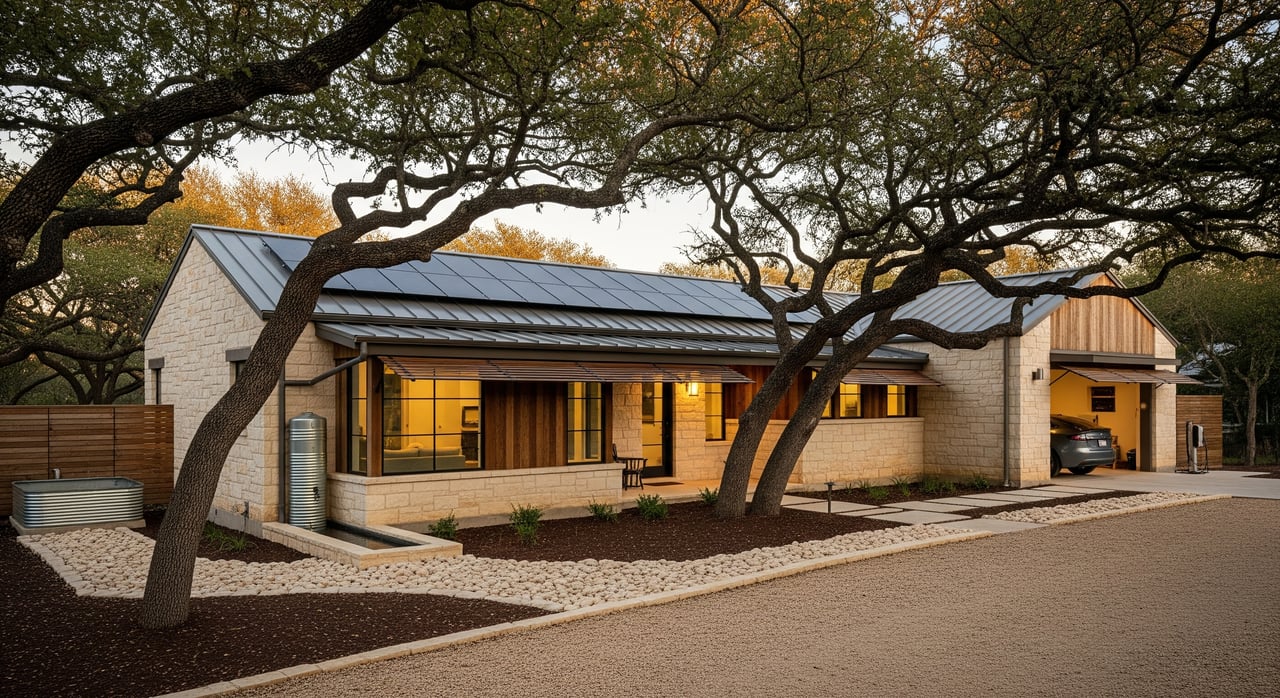
Interest in rooftop solar and resilience is higher here than in many markets. Heat-driven demand spikes keep grid reliability top of mind, so features like efficient HVAC, smart thermostats, and solar or battery readiness can be real differentiators. Position upgrades as comfort, cost, and resilience improvements for maximum impact.
High-impact upgrades buyers notice
HVAC: modern, efficient, and quiet
What matters most in Austin is a right-sized, high-efficiency system and tight ductwork. A new high-SEER heat pump or AC, balanced airflow, and sealed ducts deliver cooler rooms, better humidity control, and quieter operation. Today’s heat pumps perform well in Austin’s climate and can be compelling to efficiency-minded buyers.
Seller tips:
- Replace end-of-life equipment with high-efficiency options and document SEER/HSPF ratings.
- Seal and balance ducts to reduce hot spots and show measurable airflow improvements.
- Gather installation invoices, spec sheets, permits, maintenance records, and any post-install test results.
Cost and disruption: HVAC replacement is moderate to high cost and more disruptive than other projects. It often increases showing appeal and can reduce days on market when clearly marketed with documentation.
Attic insulation and air sealing
In a hot summer market, the attic is a top priority. Air sealing and insulation reduce heat flow into living spaces, cut cooling loads, and help your AC run less.
Seller tips:
- Target attic air sealing first, then top up insulation. Address bypasses around recessed lights and chimneys.
- Use before-and-after photos and invoices. These upgrades are quick to complete before listing.
Cost and disruption: Low to moderate cost with fast payback and strong buyer appeal when framed as improved comfort and lower bills.
Smart thermostats and controls
A Wi‑Fi smart thermostat with scheduling, learning, geofencing, and remote access signals a connected, well-managed home. Buyers like the convenience and potential savings, especially with efficient HVAC.
Seller tips:
- Install a compatible smart thermostat and highlight features during showings.
- If the seller is comfortable, capture screenshots of usage or run-time trends to demonstrate reductions.
Cost and disruption: Minimal. Excellent marketing value for the price.
Windows, shading, and solar control
In Austin’s sun, reducing solar heat gain pays off. Double-pane low-E glazing, tight weatherstripping, and good shading improve comfort and reduce AC demand.
Seller tips:
- Full window replacement is expensive with mixed ROI. Consider targeted measures: weatherstripping, storm windows, reflective films where appropriate, exterior awnings, and interior or exterior shades.
- Preserve character in older Zilker homes with tasteful refurbishments on street-facing elevations.
Cost and disruption: Replacement is high cost and disruptive. Selective improvements in heat-exposed rooms can be effective and more budget-friendly.
Solar readiness, PV, and battery storage
Buyers value lower bills and the option to maintain key circuits during outages. If you are not installing solar before listing, being “solar-ready” still adds appeal.
Seller tips:
- Document roof age and condition, clear roof space, electrical panel capacity, and accessible conduit pathways.
- If you install PV or batteries, clarify system ownership, permits, interconnection status, and any incentives or warranties.
Cost and disruption: PV can have good long-term economics in Austin, but timelines vary. A solar-readiness packet with roof photos and a simple structural memo is a low-cost, persuasive alternative if time is tight.
Water heating and efficient appliances
Heat pump water heaters and ENERGY STAR appliances reduce energy use and show buyers that systems are up to date.
Seller tips:
- A heat pump water heater is a meaningful upgrade for operating costs compared to like-for-like replacements.
- Pair with LED lighting and efficient dishwashers or clothes washers to round out the efficiency story.
Cost and disruption: Moderate cost and good buyer appeal. Check for available rebates and keep invoices and warranty info handy.
Whole-home metrics and energy audits
A clear, third-party score or audit simplifies buyer comparisons and gives credibility to your claims.
Seller tips:
- Commission a simple energy audit or obtain a Home Energy Score or HERS rating.
- Include blower door or duct leakage results and any pre/post estimates of annual savings.
Cost and disruption: Low cost with high marketing value. Great for MLS packets and open-house materials.
Programs, permits, and rules to know
- Utility incentives and rebates: Austin Energy offers residential programs for efficient equipment, home performance work, heat pump water heaters, and solar. Program rules and amounts change, so verify current offerings.
- Federal tax credits: Many efficiency measures and heat pump water heaters may qualify for federal tax credits. Confirm eligibility with official guidance or a tax professional.
- Permits: Mechanical, electrical, and structural permits are required for many HVAC, solar, and water-heater projects. Keep permits and final inspections in your documentation set.
- HOAs and solar: Texas law limits an HOA’s ability to unreasonably restrict solar. Always review HOA covenants and be ready to share any approvals or restrictions.
- Historic or design overlays: Some older Zilker homes may have exterior-change guidelines. Verify rules with the City of Austin before visible upgrades like PV or window changes.
How to showcase upgrades in your listing
Make the benefits tangible. Zilker buyers respond to comfort, lower operating costs, and resilience.
Core messages to highlight:
- “High-efficiency HVAC with sealed ducts for consistent cooling and lower summer bills.”
- “Attic air sealing and insulation for steadier temperatures.”
- “Smart thermostat with remote control and energy-saving automations.”
- “Solar-ready roof, panel capacity, and clear conduit path.”
Documentation to assemble:
- Permits and final inspection certificates.
- Manufacturer spec sheets and model numbers for HVAC, water heater, windows, and PV equipment.
- Invoices with install dates, contractor info, and warranties.
- Recent utility bills for 12 months and any pre/post comparisons or smart thermostat run-time reports.
- Energy audit, Home Energy Score, or HERS report.
- Rebate paperwork or transferable warranties.
Visual and copy tactics:
- Add a labeled “Systems & Efficiency” photo in the gallery that shows the new condenser, thermostat, and any solar array.
- Use a concise Energy & Comfort Upgrades bullet list in the description. Example: “2019: 16‑SEER AC with sealed ducts. Quieter operation and lower summer usage.”
- If you have credible data, include a simple comparison of estimated monthly electric costs after upgrades versus a typical range for the neighborhood.
- During showings, set a comfortable temperature, open the smart thermostat app to demonstrate controls, and point out attic access and visible insulation.
Pricing and negotiation:
- Use efficiency upgrades to justify pricing at or slightly above comparable homes that lack modern systems.
- Back up claims with documentation. Buyers discount vague promises.
A smart plan for Zilker sellers
Follow a simple workflow to focus on high-return, low-disruption work first.
- Schedule a home energy audit or contractor walk-through to identify high-impact items like attic air sealing, insulation, and duct sealing.
- Prioritize quick wins: attic sealing and insulation, duct sealing, a smart thermostat, LED lighting, and targeted window weatherstripping or shades.
- Consider high-cost items such as HVAC or windows if equipment is near end-of-life or if modern systems will clearly differentiate your home against current comps.
- If your roof is nearing replacement and buyer interest in solar is high, evaluate reroofing now or present a solar-readiness package.
- Gather permits, invoices, specs, warranties, and any rebate paperwork into a clean, shareable packet.
- Obtain a Home Energy Score or short audit report to include with MLS materials and open-house handouts.
Timeline and cost signals
- Low-cost, high-impact (days to 1 week): smart thermostat, duct sealing, attic air sealing, LED conversions, and small appliance swaps.
- Moderate cost (1 to 3 weeks): attic insulation top-up, heat pump water heater installation, targeted weatherstripping and shades.
- Higher cost (2 to 8 weeks): full HVAC replacement, window replacements, and solar or battery installation. Permitting and interconnection can extend timelines.
Ready to sell with confidence?
You do not have to manage this alone. With white-glove listing preparation, vendor coordination, and premium marketing, you can turn efficiency upgrades into a clear market advantage. If you are weighing which projects to tackle before listing, schedule a quick strategy call and get a prioritized plan tailored to your timeline and budget. Connect with Kevin Haines to Schedule Your Free Consultation.
FAQs
What energy-efficient upgrades matter most to Zilker buyers?
- High-efficiency HVAC with sealed ducts, attic air sealing and insulation, smart thermostats, targeted solar control for windows, and clear solar-readiness documentation.
Should I replace my HVAC before selling in Austin’s climate?
- If your system is near end-of-life or underperforms, a high-efficiency replacement with duct sealing often boosts comfort and marketability when paired with strong documentation.
Is full window replacement worth it for a pre-list make-ready?
- Often no; selective upgrades like weatherstripping, shades, films where appropriate, or storm windows can improve comfort at lower cost and with less disruption.
How can I market solar without installing panels before listing?
- Provide a solar-readiness packet that documents roof age and condition, panel capacity, accessible conduit paths, and available roof space, plus any preliminary contractor memos.
What documentation should I include to prove efficiency claims?
- Permits, final inspections, invoices, model numbers, spec sheets, 12 months of utility bills, energy audit or Home Energy Score, and any rebate or warranty paperwork.
Do I need permits for these upgrades in Austin?
- Many HVAC, solar, and water-heater projects require mechanical, electrical, or structural permits, so keep copies of approvals and final inspections for your listing packet.