Barton Hills Outdoor Upgrades That Can Strengthen Your Sale
May 14, 2026
May 14, 2026
If you are getting ready to sell in Barton Hills, it is easy to assume the biggest outdoor upgrades will make the biggest impact. In reality, buyers often respond more strongly to outdoor spaces that feel polished, shaded, and easy to enjoy right away. The good news is that you do not need to overbuild to strengthen your sale. A smart plan can help you focus on the upgrades that fit Barton Hills, support your price, and keep your make-ready budget in check. Let’s dive in.
Barton Hills buyers are shopping in a premium Austin neighborhood where outdoor lifestyle is part of the appeal. With nearby access to the Barton Creek Greenbelt and Zilker Metropolitan Park, many buyers already associate the area with time outside, casual recreation, and year-round livability.
Austin’s climate also shapes what feels valuable. Normal high temperatures top 90 degrees from late May through late September, and the city gets about 36 inches of rain each year. That makes shade, simple upkeep, and durable outdoor design especially important when you want your home to feel comfortable instead of high-maintenance.
In April 2026, realtor.com showed Barton Hills with a median listing price of about $1.52 million and about 82 days on market. In that kind of market, strong presentation still matters. A clean, usable backyard can help your home feel more complete and market-ready.
If you are choosing where to spend first, basic landscape work is usually the best place to begin. According to the National Association of Realtors outdoor report, standard lawn care service had an estimated 217% cost recovery, landscape maintenance came in at 104%, and an overall landscape upgrade reached 100%.
That lines up with how buyers tend to react in Barton Hills. They notice whether a yard feels tidy, healthy, and intentional. They also notice when it looks like a weekend project waiting to happen.
Focus on visible improvements that make the property feel cared for:
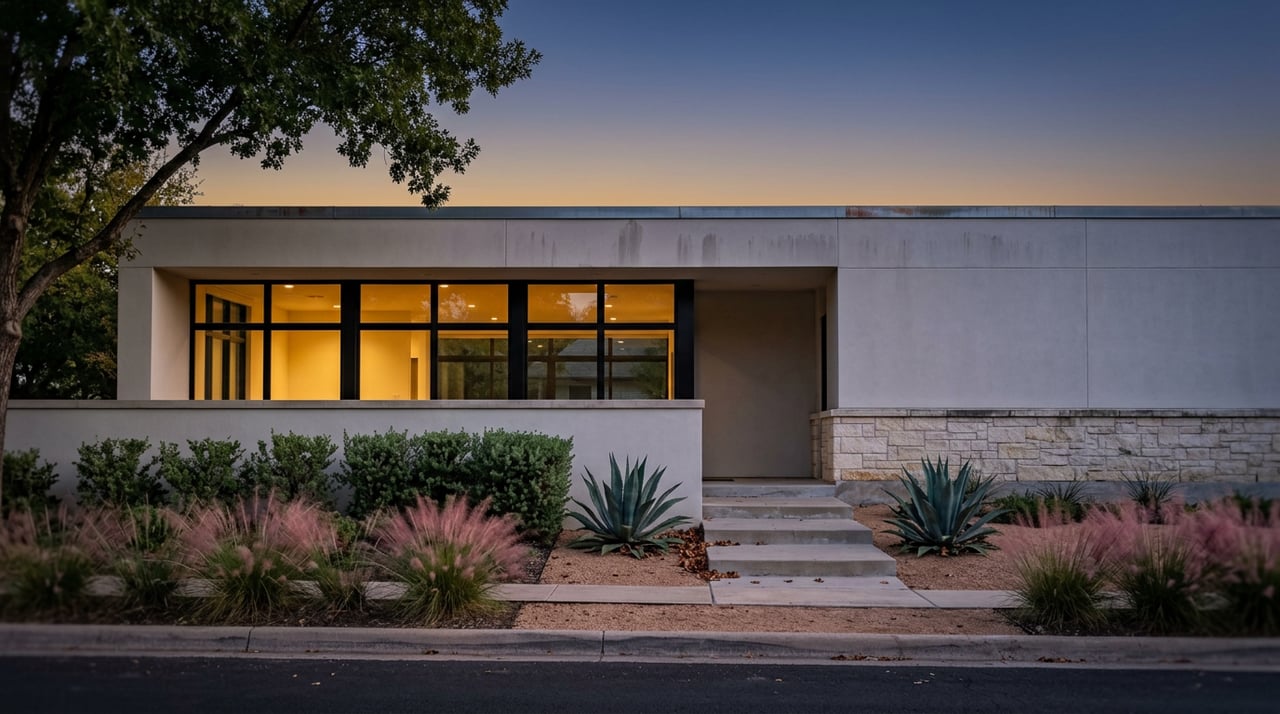
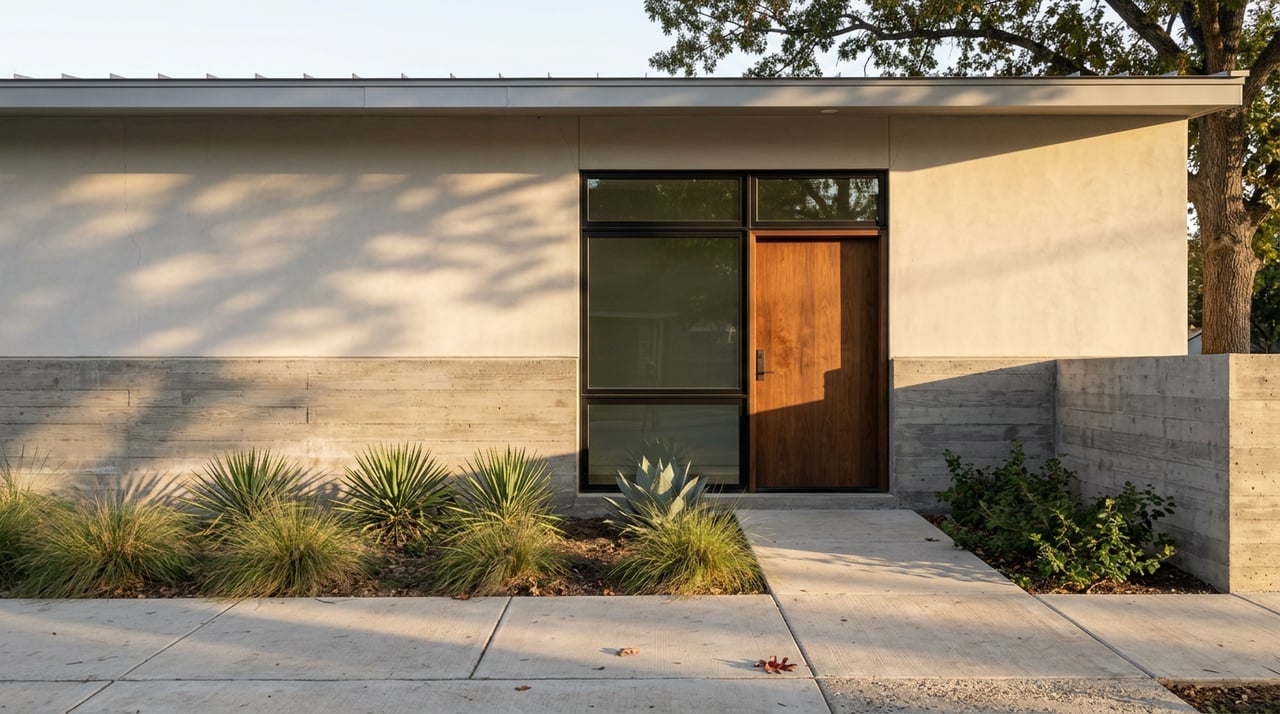
This work may not sound flashy, but it changes how the whole property reads from the street and from the back patio. NAR also found that 92% of REALTORS recommend curb appeal improvements before listing, which reinforces how important first impressions are.
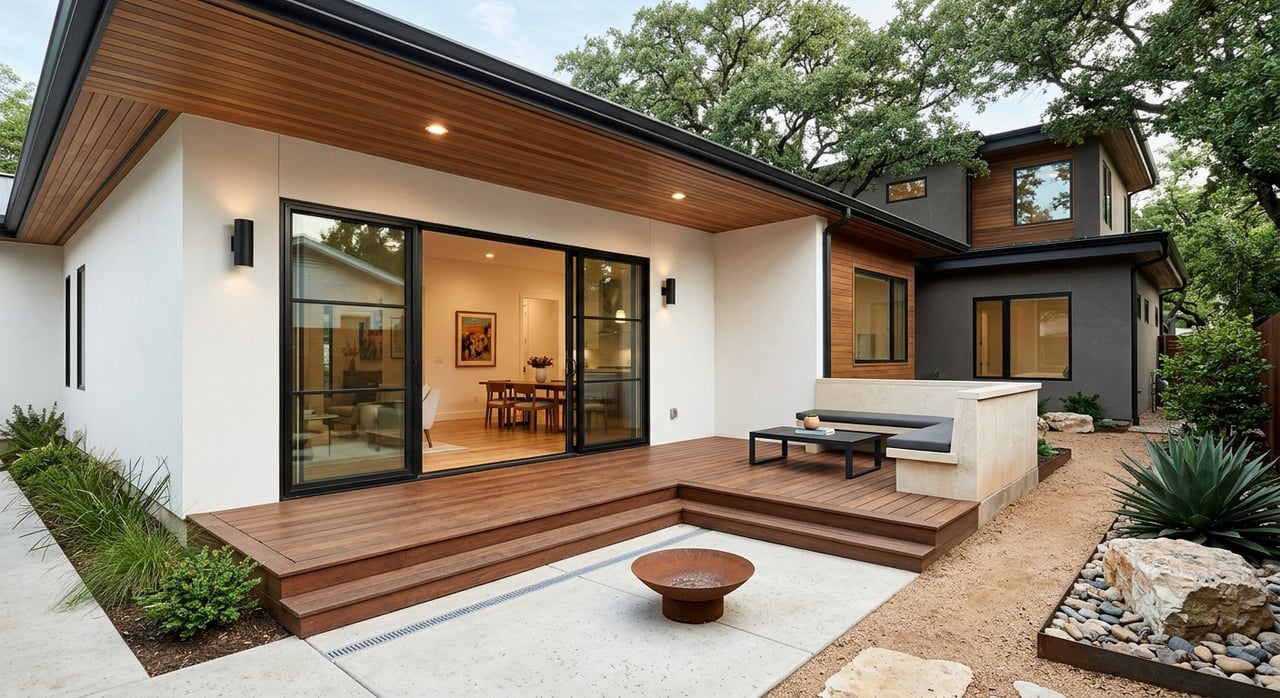
In Barton Hills, the most appealing outdoor spaces usually feel like an extension of the house. Buyers tend to respond well to a backyard that functions like an outdoor room, not a collection of disconnected features.
That means the basics matter. A level patio, clear path of travel, and simple seating area often do more for buyer perception than a long list of specialty add-ons.
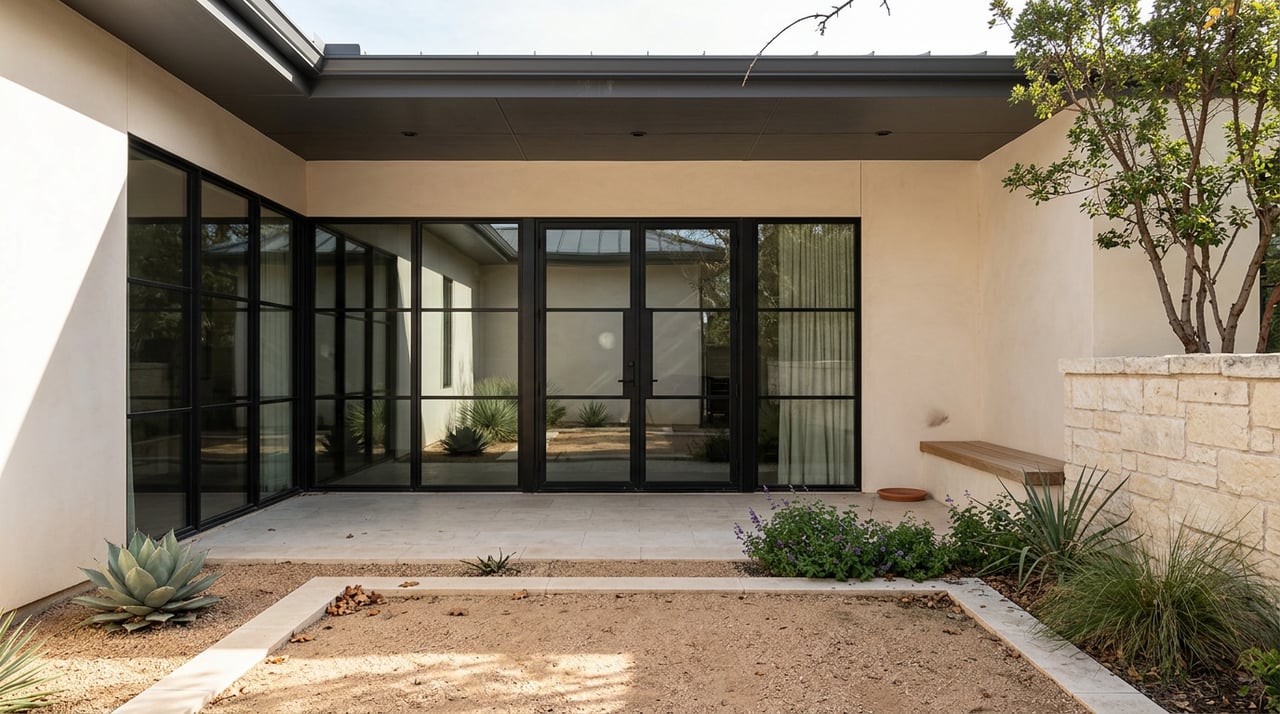
A patio is one of the strongest outdoor upgrades for resale. NAR estimated a 95% cost recovery for a new patio, which makes it one of the more practical ways to expand usable living space.
For sellers in Barton Hills, patios work well because they support the lifestyle buyers expect without making the yard feel difficult to maintain. They also photograph well, which matters when your listing is competing online before buyers ever visit in person.
A wood deck can be another smart option when it fits the site and the style of the home. NAR estimated 89% cost recovery for a new wood deck, and decks earned high joy scores alongside patios.
The key is to keep the space easy to understand. Buyers should be able to walk outside and immediately picture where they would sit, dine, or gather. If the layout feels natural, the yard starts working harder for your sale.
In Austin, outdoor living is not just about having space. It is about whether the space feels comfortable enough to use. Because the hottest stretch of the year runs from late spring into early fall, Barton Hills buyers are often more likely to value cooling comfort than dramatic outdoor extras.
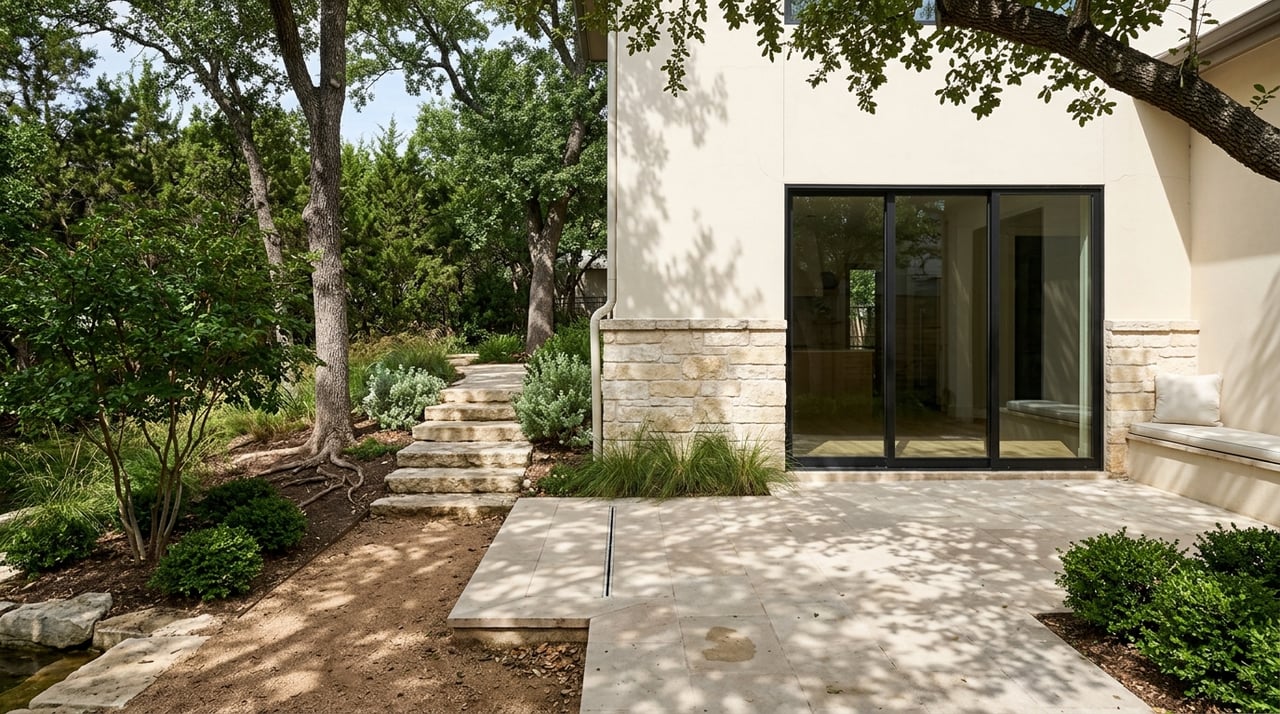
A shady patio, a protected seating zone, and a landscape plan that reduces heat exposure can strengthen your home’s appeal. Even when you are not adding major structures, preserved tree canopy and smart furniture placement can help a backyard feel more inviting.
This is one reason mature trees are such an asset in Barton Hills. Beyond appearance, they support the story buyers want to hear: this is an outdoor space you can actually use.
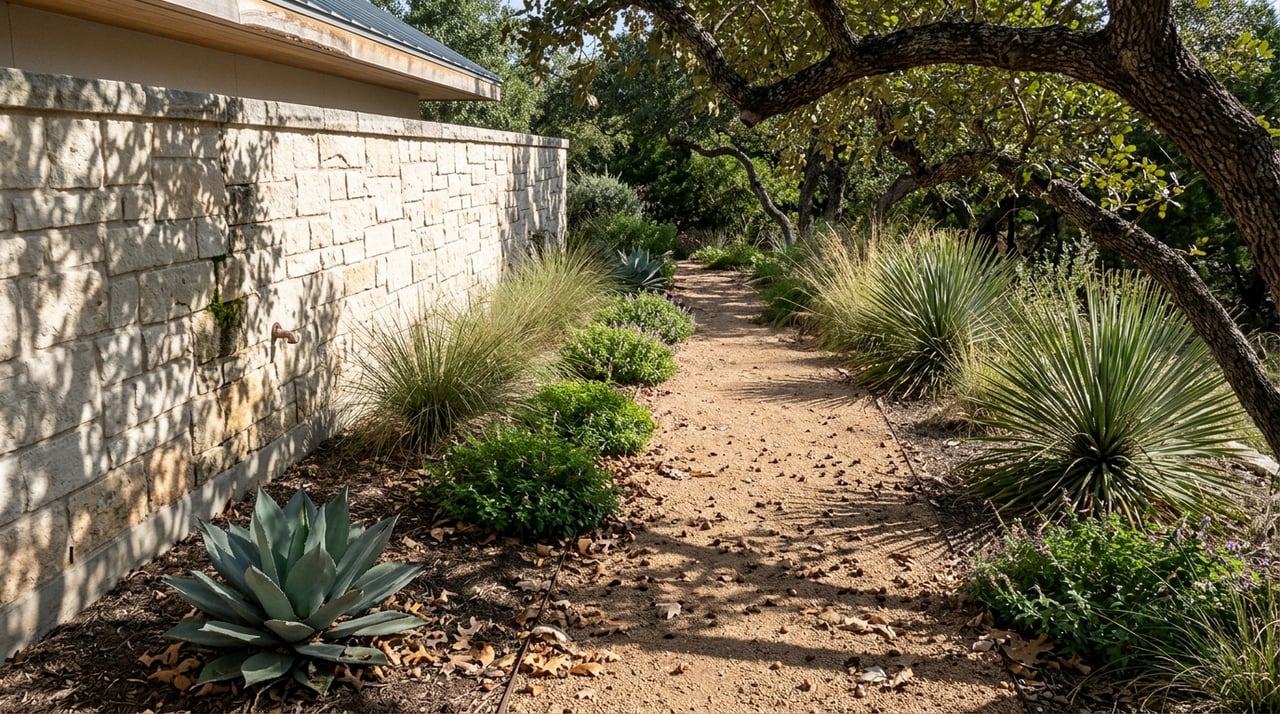
A polished yard is good. A polished yard that looks easy to maintain is even better. In Barton Hills, that often means choosing drought-tolerant native or adapted plants, using mulch, and avoiding a design that looks like it will require constant watering or replacement.
Austin Water recommends mulch, compost, drip irrigation or low-flow nozzles, and native or adapted plants to reduce supplemental watering. The city’s Grow Green plant guidance also describes these plants as naturally drought tolerant and resistant to pests and diseases.
For sellers, the value is simple. Climate-smart planting helps your home present as well cared for, practical, and aligned with Austin conditions.
This kind of yard supports a strong selling narrative. It says the home has been thoughtfully maintained, and it does not suggest future work for the next owner.
Efficient irrigation can be a quiet but valuable improvement in Barton Hills. NAR estimated 83% cost recovery for irrigation system installation, which puts it ahead of many eye-catching but less practical extras.
In a hot Austin climate, buyers often appreciate the idea of easier plant care and smarter water use. You do not need to market irrigation as a luxury item. It works best as part of a broader low-maintenance story.
If you are updating irrigation before listing, focus on efficiency and reliability. Drip or low-flow systems paired with mulch and adapted plants can make the landscape feel better suited to local conditions.
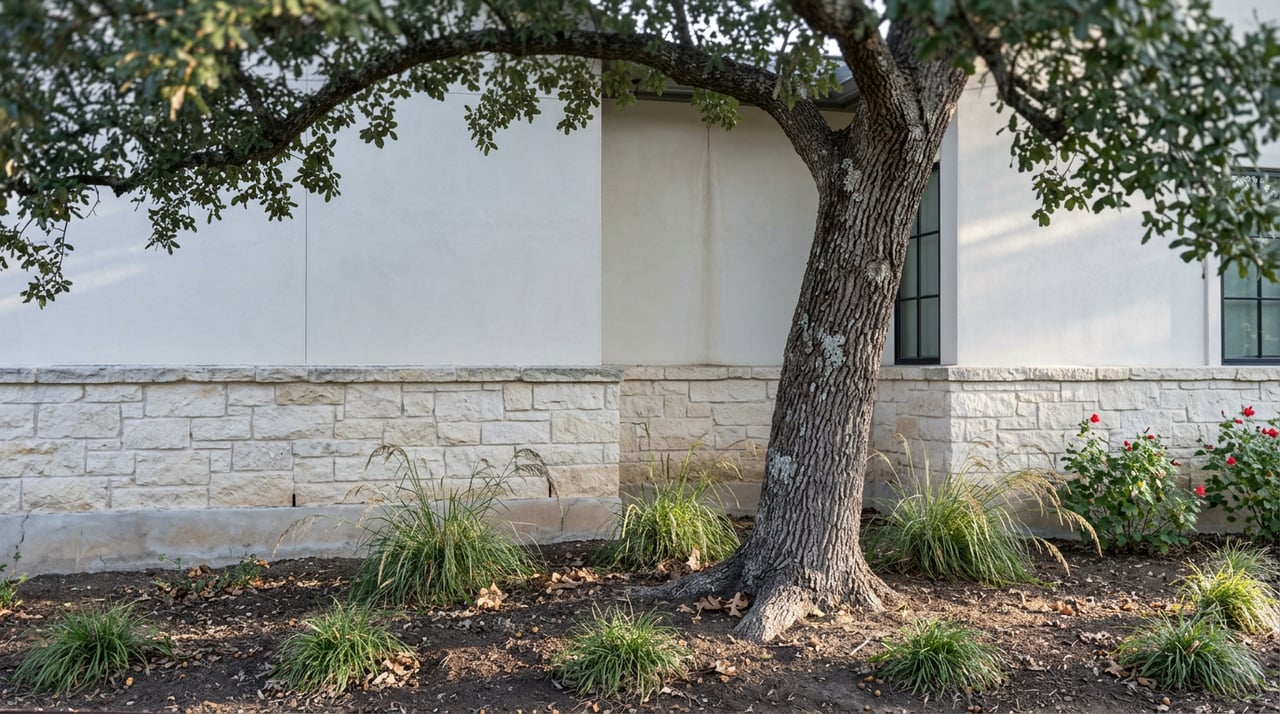
In Barton Hills, mature trees can be one of the most valuable parts of the outdoor experience. They provide shade, visual character, and a sense of established landscape that is hard to replace.
Tree care also carries resale value. NAR estimated 87% cost recovery for tree care, making it a worthwhile category for many sellers.
Just as important, Austin regulates work on large trees. The city requires permits when regulated trees are removed, when 25% or more of the canopy is pruned, or when work disturbs the critical root zone. Protected trees are 19 inches and larger, and heritage trees are 24 inches and larger.
That means major removal, aggressive pruning, or heavy grading should be approached carefully. In many cases, the better move is to maintain tree health and showcase shade rather than trying to clear too much.
Outdoor lighting can help a yard feel complete, but it is usually not the first place to spend. NAR estimated 59% cost recovery for landscape lighting, which makes it more of a supporting upgrade than a primary one.
That said, lighting can still improve how buyers experience the property. It works best when it highlights a front walk, patio edge, seating area, or safe path through the yard.
Think of lighting as polish. Once the yard is clean, the patio is usable, and the planting looks intentional, lighting helps tie it all together for evening showings and listing photos.
Some outdoor upgrades are appealing in the right home, but they are not always the strongest resale play. In-ground pools and fire features both came in at 56% estimated cost recovery in NAR’s outdoor report.
That does not mean they never make sense. It means they should be considered case by case, not treated as automatic value-adds.
In Barton Hills, buyers are often more likely to connect with an outdoor space that feels shaded, functional, and easy to maintain than one built around a single expensive feature. Austin’s long hot summers also make cooling comfort a bigger part of the sales story than a fire pit or hearth.
If you plan to sell in the next one to three years, the strongest outdoor strategy is usually practical. Focus on improvements that make the property feel livable, low-maintenance, and ready to enjoy.
Here is a sensible order for many Barton Hills homes:
This approach matches both the local climate and the neighborhood buyer mindset. It also helps you avoid overspending on features that look impressive but do not support your likely return.
Every Barton Hills property is different. Lot shape, tree coverage, existing hardscape, price point, and timeline all affect which outdoor projects make sense before you list.
That is where local planning matters. The right make-ready strategy is not about checking boxes. It is about choosing the updates that improve presentation, support pricing, and help buyers feel the home is ready from day one.
If you want a practical plan for outdoor upgrades before you sell in Barton Hills, Kevin Haines can help you prioritize the improvements that are most likely to strengthen your listing and reduce seller stress.
Stay up to date on the latest real estate trends.
Whether selling or buying, Kevin's clients appreciate his down-to-earth attitude and his commitment to ensuring every transaction is smooth and successful.