Living in Zilker Austin: Beyond the Park, Day to Day
June 4, 2026
June 4, 2026
Wondering what it’s actually like to live in Zilker when you’re not at the park? That question matters if you’re trying to understand how a neighborhood feels day to day, not just on a weekend visit. Zilker offers a mix of central Austin convenience, leafy residential streets, and easy access to dining, transit, and outdoor space, but it also comes with seasonal traffic patterns and block-by-block differences. Here’s a closer look at everyday life in Zilker beyond the park.
Zilker is often talked about as one place, but daily life here is shaped by several distinct pockets. The neighborhood sits in Austin’s 78704 area, and the Zilker Neighborhood Association describes boundaries that include parts of Azie Morton, Rabb, Rae Dell, Barton Skyway, South Lamar, and Oltorf, plus much of Zilker Park.
That larger footprint creates a neighborhood with different rhythms depending on where you are. Some blocks feel more urban and connected to commercial corridors, while others feel quieter and more residential under a dense tree canopy.
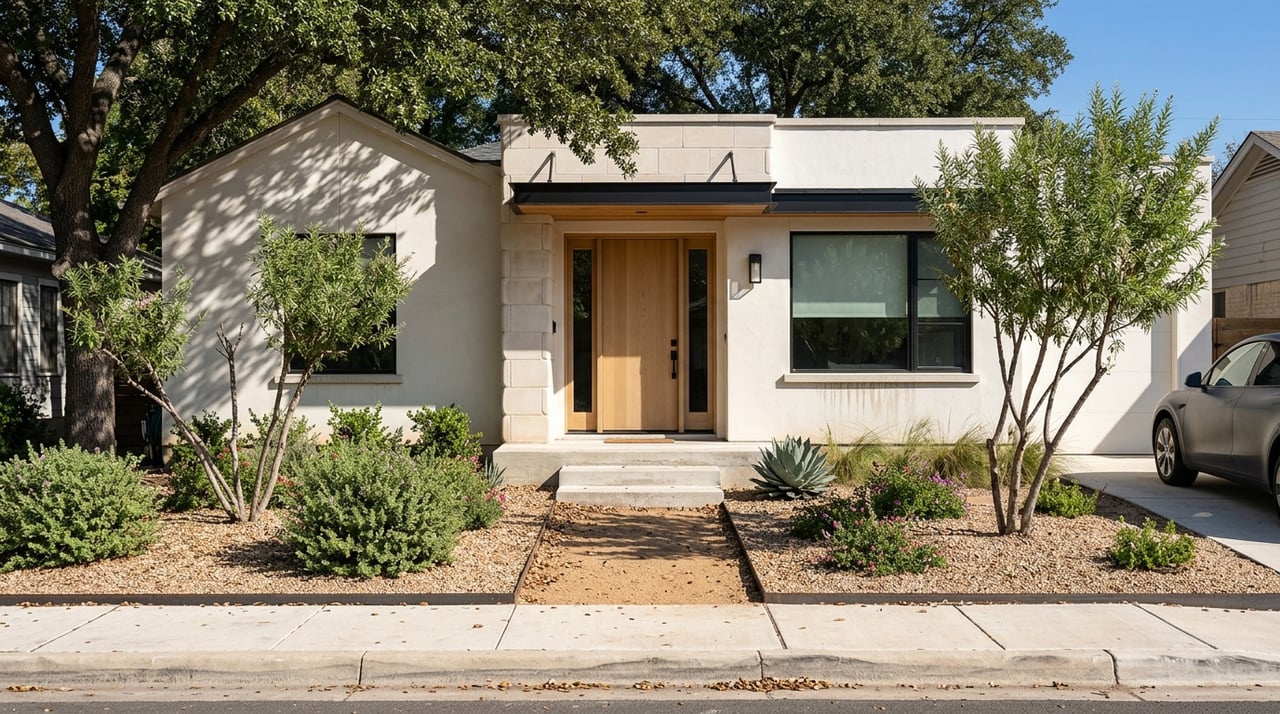
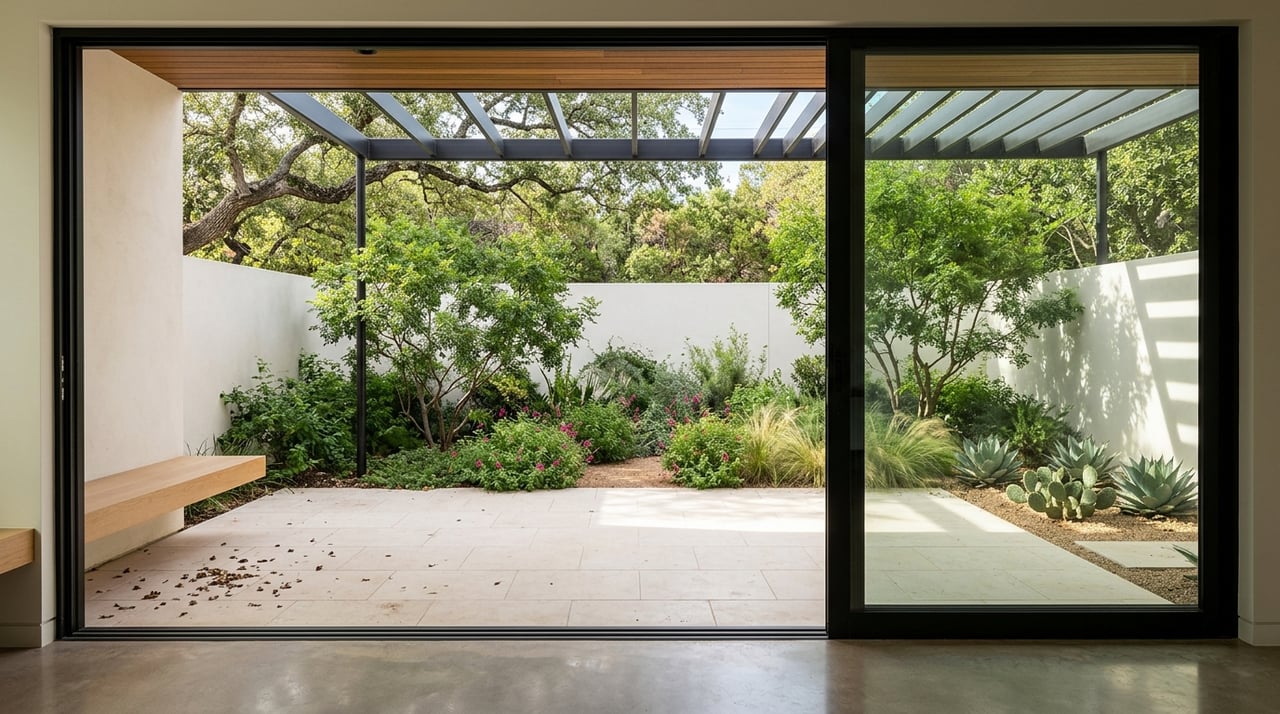
In the interior parts of Zilker, the street experience often feels calmer and more tucked away. The neighborhood association describes the urban forest as one of Zilker’s defining features, with live oaks, pecans, and red oaks shaping many of the interior blocks.
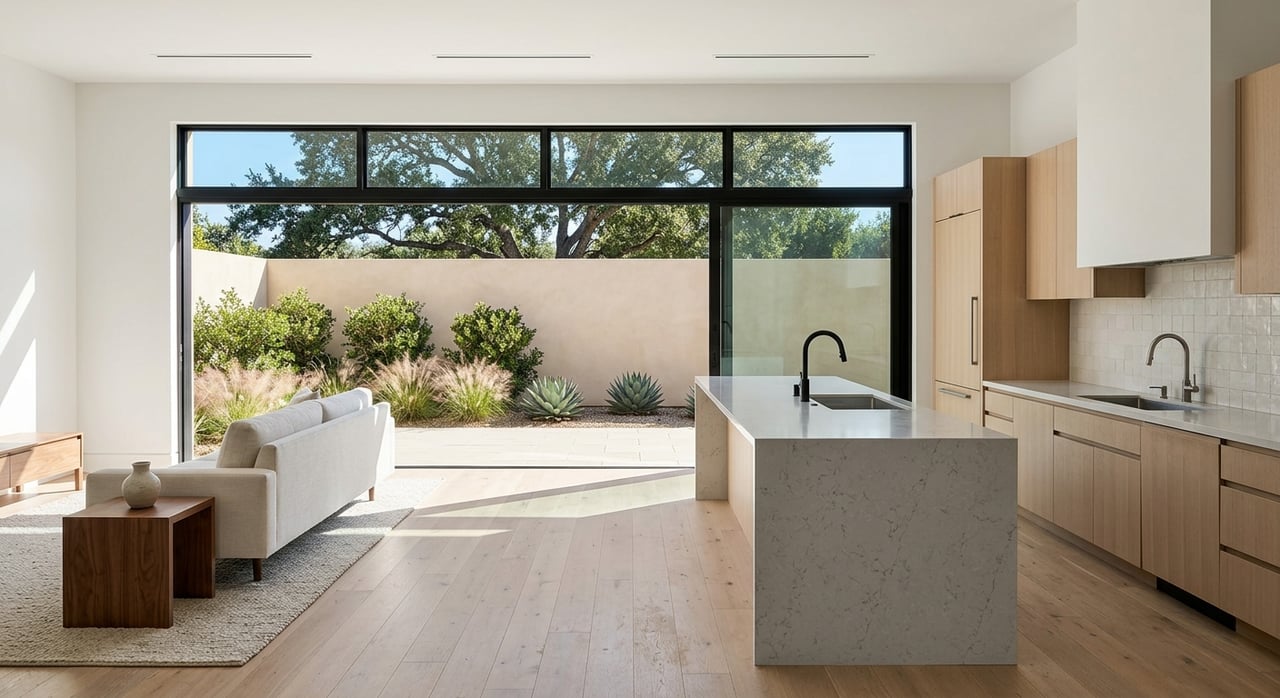
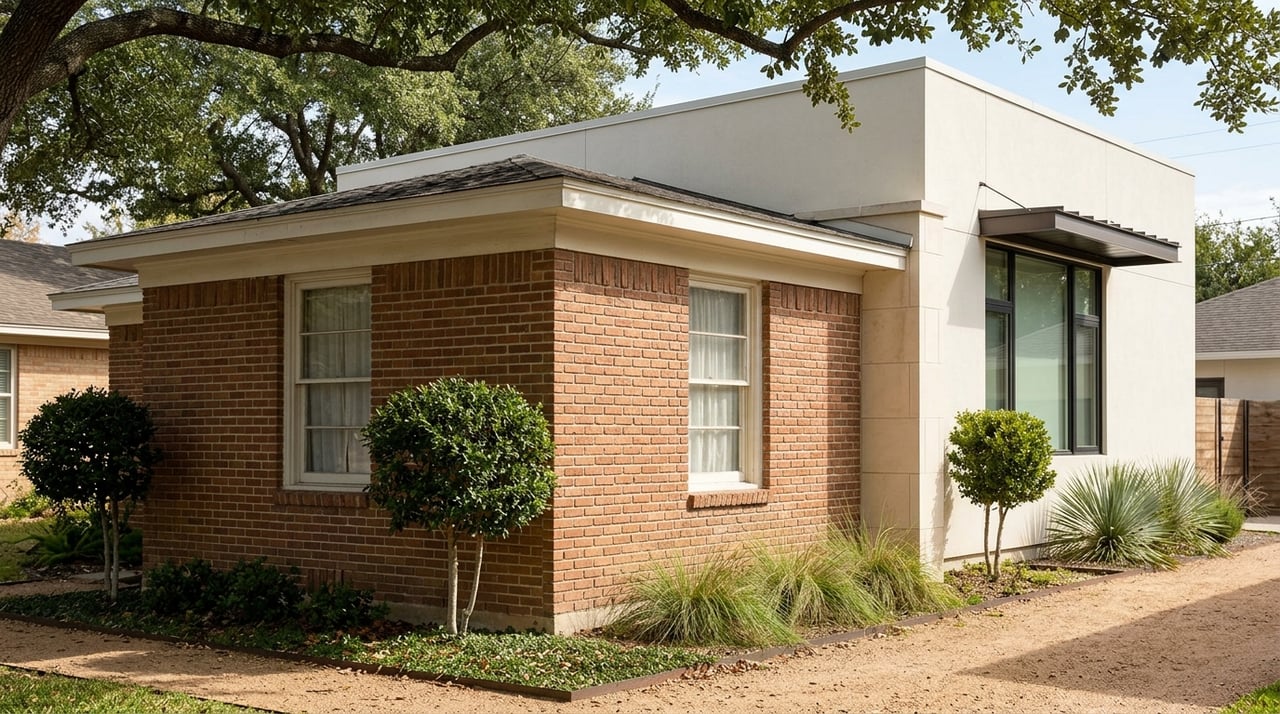
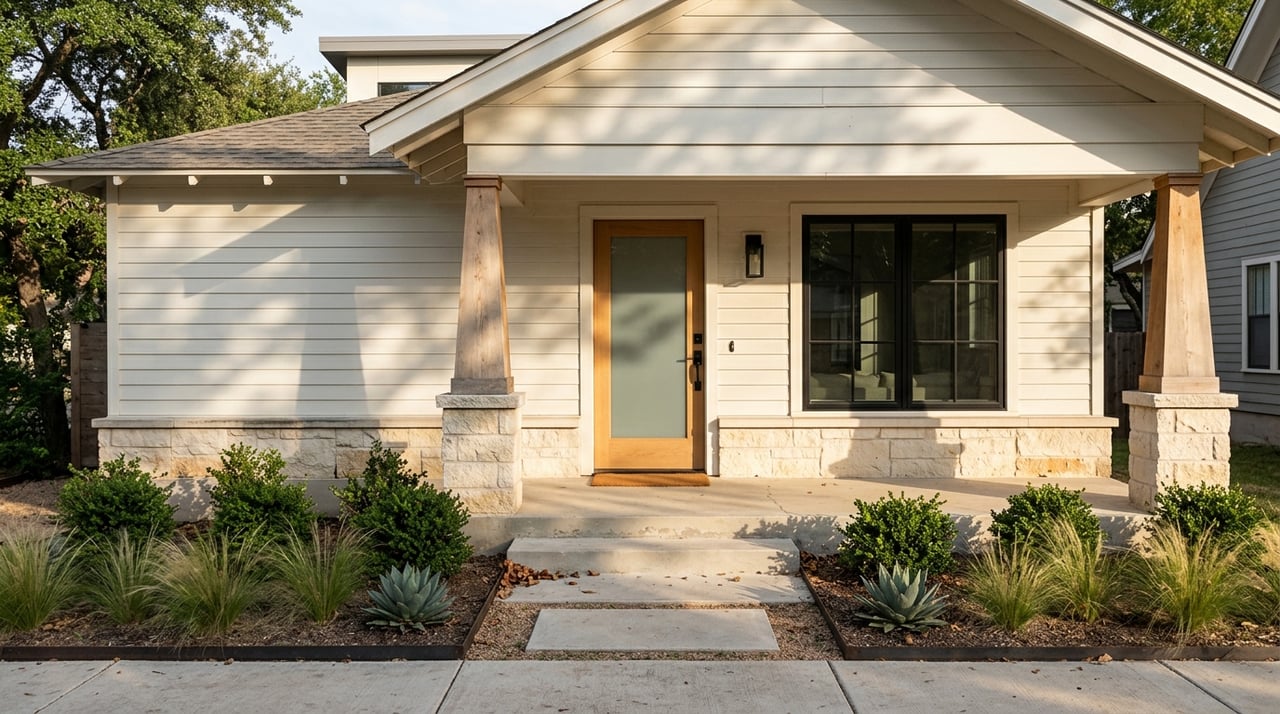
That canopy helps explain why some streets feel more settled than buyers might expect from such a central location. In these areas, you’ll find a housing mix that reflects the neighborhood’s long development timeline, including older cottages and bungalows, later ranch homes, and some newer modern styles.
Because much of the area stayed rural longer than other parts of Austin, development happened over time instead of all at once. That shows up in the homes you see from one block to the next.
For you as a buyer or homeowner, that means Zilker does not offer a one-size-fits-all housing stock. It often appeals to people who want character, variety, and a more layered neighborhood feel rather than a uniform look.
One of Zilker’s biggest lifestyle advantages is how much everyday activity clusters around South Lamar and Barton Springs Road. These edges of the neighborhood offer a practical mix of dining and day-to-day convenience that many households can use regularly.
The City of Austin has treated South Lamar as a formal mobility corridor, with planning that includes pedestrian and bike improvements, landscape buffering, and bus stop upgrades. That kind of public investment supports the idea that this is not just a pass-through road. It is part of how people move through daily life in and around Zilker.
Several well-known Austin restaurants sit along or near these edges, including Matt’s El Rancho on South Lamar, Uchi on South Lamar Boulevard, Eberly on South Lamar, Chuy’s original location on Barton Springs Road, and Kerbey Lane’s South Lamar location near Zilker Park and Barton Springs.
That lineup says a lot about the neighborhood’s everyday usability. While this is not the same as a formal walkability score, it does suggest that many Zilker residents can reach casual meals and familiar local spots without going far.
Zilker’s location gives you multiple ways to move around Austin. Car access is shaped by Barton Springs Road, South Lamar, and the nearby MoPac frontage road network, which helps with regional connectivity.
Transit is also more useful here than many people expect for a central Austin neighborhood. CapMetro Rapid Route 803 runs along South Lamar and connects major parts of the city, while Route 30 serves the southwest side and travels through Zilker Park. Routes 3 and 803 also stop on South Lamar near Barton Springs.
For shorter trips, CapMetro Bikeshare has stations at Zilker Park, Barton Springs Pool, Barton Springs and Azie Morton, Barton Springs and Kinney, and Riverside and South Lamar. The system is electric-assist and is designed to help riders connect with transit and central Austin destinations.
The city and parks department also operate the free Zilker Loop shuttle on weekends and holidays from May 23 to September 7, 2026, with extended service during the Zilker Summer Musical run. That service is meant to help manage visitor traffic and move people between popular park locations.
Even beyond the park itself, Zilker’s outdoor access affects how the neighborhood lives. Zilker Metropolitan Park is more than 350 acres and includes Barton Springs Pool, the Zilker Botanical Garden, Austin Nature and Science Center, McBeth Recreation Center, the Ann and Roy Butler Hike-and-Bike Trail, Barton Creek Trail, the Zilker Hillside Theatre, and Umlauf Sculpture Gardens.
That kind of access is not just a nice extra. It becomes part of many residents’ normal weekly rhythm, whether that means walking, riding, swimming, or using the trail system for exercise and recreation.
Barton Springs Pool stands out because it is spring-fed and averages 68 degrees year round. That makes it more than a seasonal attraction.
For many people, it functions like a true neighborhood amenity that can fit into regular routines. Few central Austin neighborhoods can match that kind of built-in outdoor asset.
The Barton Creek Greenbelt begins at a Zilker Park trailhead, giving residents another outdoor option close to home. The City of Austin has recognized the greenbelt as a Leave No Trace Hot Spot, which also highlights how heavily used and valued it is.
If you enjoy a neighborhood where outdoor access is woven into day-to-day life, Zilker offers that in a very direct way. It is one of the clearest reasons the area remains so appealing.
The same amenities that make Zilker special also bring pressure at certain times. The park hosts major events including ACL, the Trail of Lights, and the Zilker Park Kite Festival, and the city manages traffic with shuttle service and paid parking on peak days.
That means some weekends and seasons can feel busier than the residential street grid might suggest at first glance. If you are comparing blocks or thinking about resale, it helps to understand that proximity to park access can come with added traffic, parking demand, and event-related activity.
This is one reason buyers and sellers should think about Zilker in smaller sections rather than as one uniform neighborhood. The South Lamar and Barton Springs edges tend to feel more urban, with condos, apartments, retail, and mixed-use properties listed in the neighborhood overlay.
By contrast, interior streets around Kinney, Goodrich, Treadwell, Virginia, and nearby blocks often read more like an established residential district. The southwest edge near Skyway Circle and the MoPac side tends to feel more commute-oriented because of access patterns and nearby transit.
Zilker is a strong fit if you want central Austin convenience paired with meaningful outdoor access. It also suits people who like the idea of handling part of daily life on foot, by bike, or through nearby transit along the corridor edges.
At the same time, it helps to go in with a clear picture of the tradeoffs. The difference between quiet interior streets and busier edge blocks is real, and seasonal park traffic is part of the lived experience.
If you own in Zilker, these daily-life details shape how buyers see value. A home near South Lamar may appeal for convenience and access, while an interior block may attract buyers focused on a quieter residential feel and tree canopy.
That is why neighborhood positioning matters when it is time to sell. In a place like Zilker, strong marketing is not just about the home itself. It is also about explaining which version of Zilker a buyer is stepping into and why that lifestyle fit matters.
If you’re thinking about selling in Zilker and want a clear strategy for how your home fits the neighborhood story, Kevin Haines can help you position it with local insight, thoughtful preparation, and a full-service approach.
Stay up to date on the latest real estate trends.
Whether selling or buying, Kevin's clients appreciate his down-to-earth attitude and his commitment to ensuring every transaction is smooth and successful.