Zilker Home Architectural Styles Buyers Notice Most
June 11, 2026
June 11, 2026
If you walk a few blocks in Zilker, you can see why buyers pause at the curb. One street may have a modest one-story home with a simple porch, while the next has a larger two-story modern build set back behind trees. If you are buying or selling here, it helps to know what people are really noticing and how those design cues shape value, appeal, and everyday livability. Let’s dive in.
Zilker does not read like a one-era neighborhood. Development picked up in the 1930s, and the area still carries an Old Austin feel even as redevelopment has added many newer homes. Buyers also notice the setting right away, including larger yards, mature live oaks, and easy access to downtown and Barton Springs.
Just as important, buyers do not only react to architectural style. They also react to lot layout, home size, and how a house meets the street. In Zilker, older single-story homes often sit near larger two-story new builds, and that contrast can make two homes a few blocks apart feel very different.
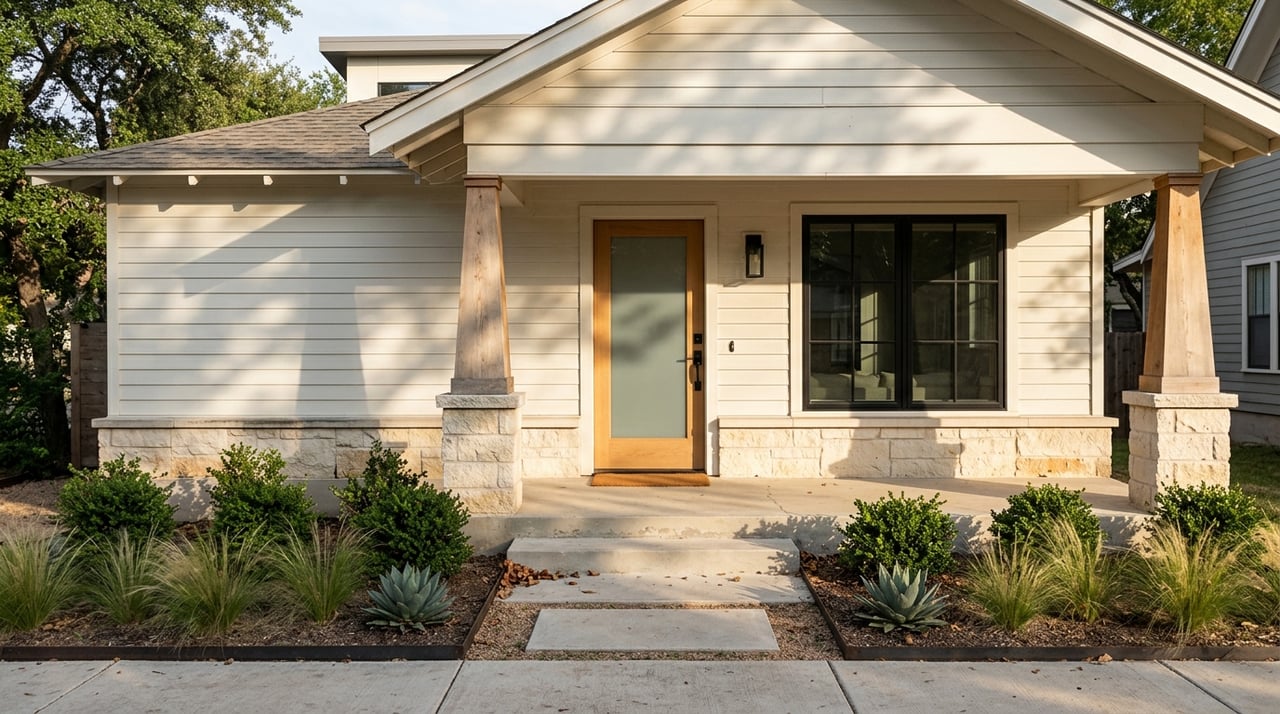
Many of Zilker’s older homes get grouped together as bungalows, but that is not always the most accurate label. A large share of the vintage housing stock is better described as minimal traditional, which has a simpler and more restrained form. Buyers may not use those terms, but they do notice the difference in scale, porch presence, and layout.
True bungalows are usually low-slung homes with broad rooflines, porch-forward design, and compact interiors. They often use larger paired windows and sheltered outdoor spaces to create a stronger connection between indoors and outdoors. In Zilker, buyers tend to respond to their charm, curb appeal, and original character.
These homes often feel warm and intimate rather than large and open. That can be a big draw for buyers who want personality and a sense of history. At the same time, some buyers may see the smaller rooms and tighter floor plan as a tradeoff compared with newer homes.
Minimal traditional homes are often smaller rectangular houses with gabled or hipped roofs, modest porches, and limited decorative detail. In practical terms, they tend to read as simple, approachable, and very much in scale with older Zilker streets. Buyers often connect with that understated look, especially when the house still feels true to its original proportions.
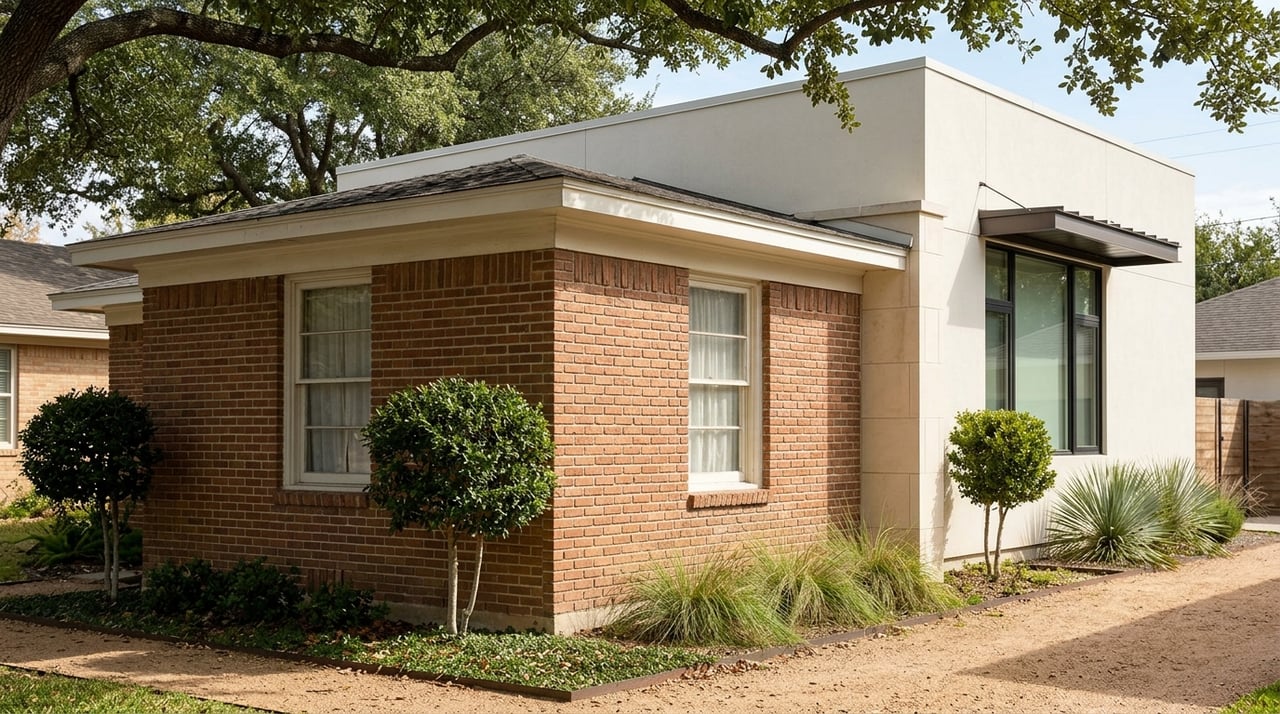
Inside, these homes are usually more compartmentalized than later ranch or contemporary plans. Kitchens may be smaller, and rooms can feel more separated from one another. That is one reason many updates focus on opening the back of the home and improving the connection to the yard.
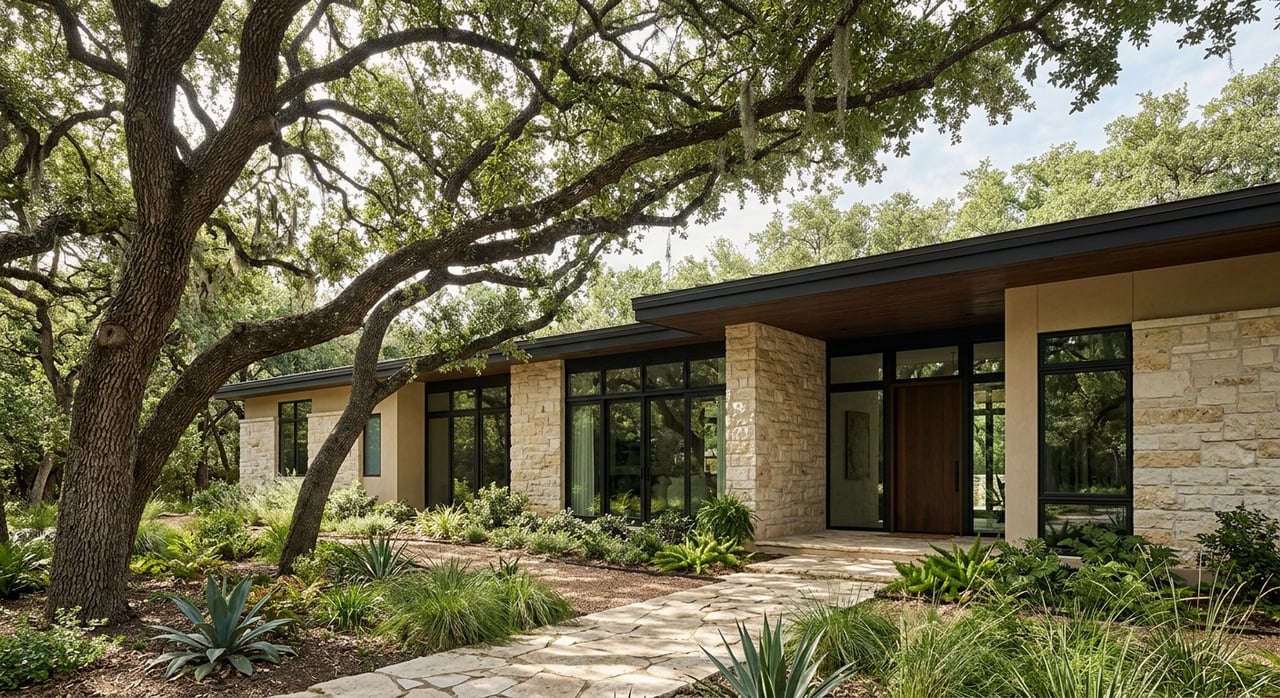
Ranch homes are a major postwar housing form in Zilker, and they often hit a sweet spot for buyers. Their low- to moderate-pitched roofs, longer rectangular footprints, and one-story layouts tend to feel practical and easy to live in. For many buyers, ranch homes offer a comfortable middle ground between vintage character and modern function.
Ranches usually have more direct circulation than older minimal traditional homes. Living, dining, and kitchen spaces often relate to each other more naturally, which can make the home feel more open even without a large footprint. Buyers who want single-level living often see this as a major plus.
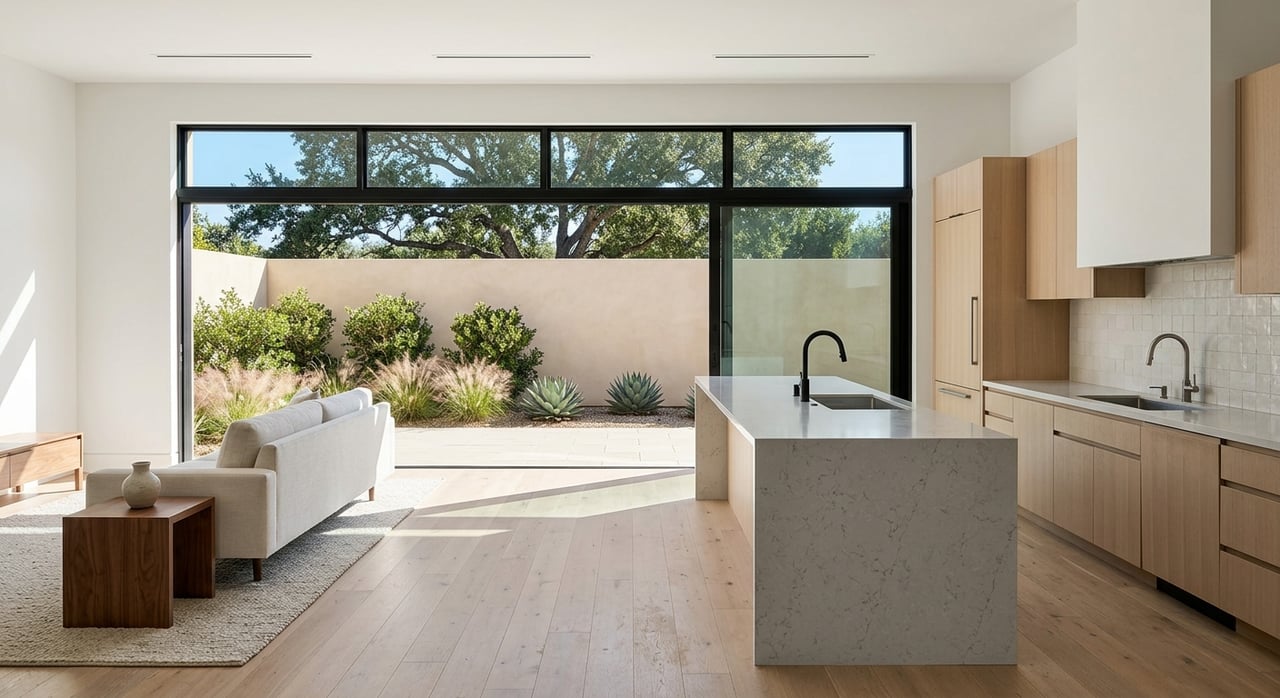
Large picture windows, sliding glass doors, and patios or decks also shape how these homes feel. Natural light tends to play a bigger role, and the connection to the backyard is often stronger. In everyday terms, that can make the house feel brighter and more spacious than the square footage alone suggests.
Some Zilker ranch homes preserve details that buyers notice right away, such as limestone walls, fireplaces, carports, and vaulted ceilings. Those features can give a house clear identity without making it feel overly formal. When they are paired with smart updates, ranch homes often come across as both livable and distinctive.
Because the form is straightforward, ranches are also often easier for buyers to picture updating over time. That flexibility matters in Zilker, where people often want a home that works now but still allows room for thoughtful changes later.
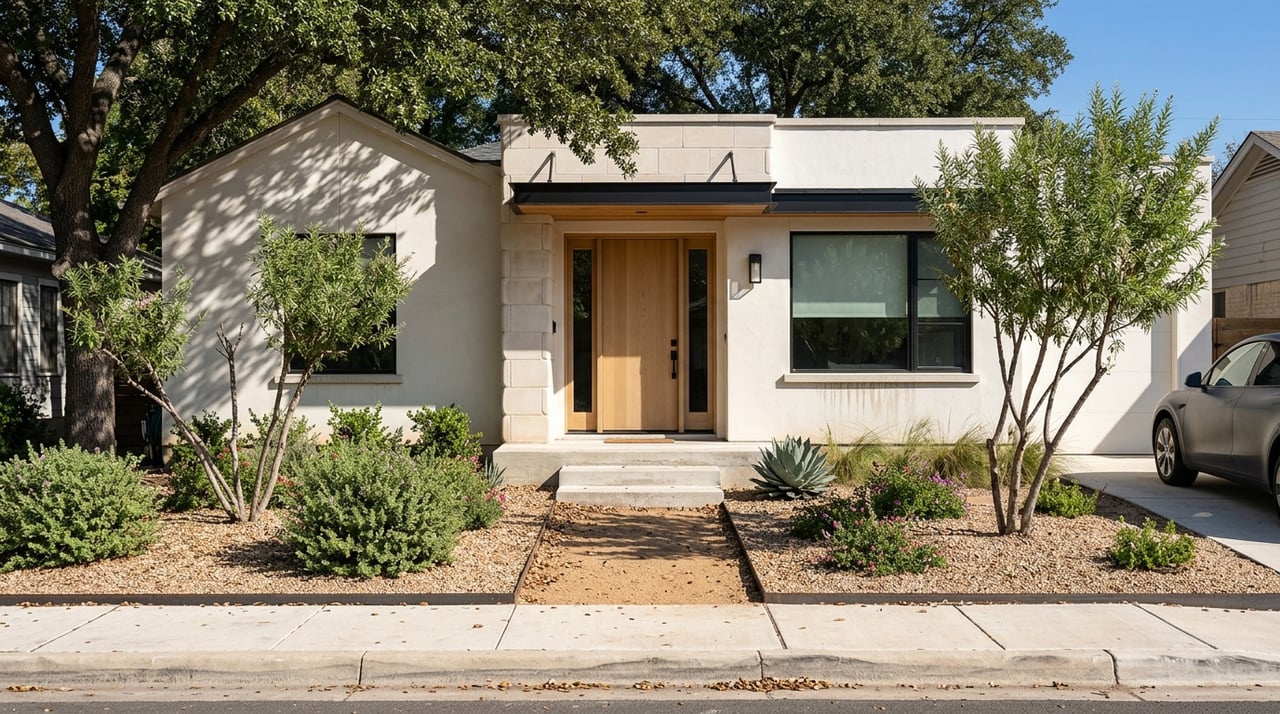
Residential redevelopment accelerated in Zilker after 2000, and that shift brought many larger homes to the neighborhood. Most are two stories, and minimalist modern design is especially common. Buyers notice these homes quickly because their scale, materials, and window patterns often differ sharply from nearby vintage homes.
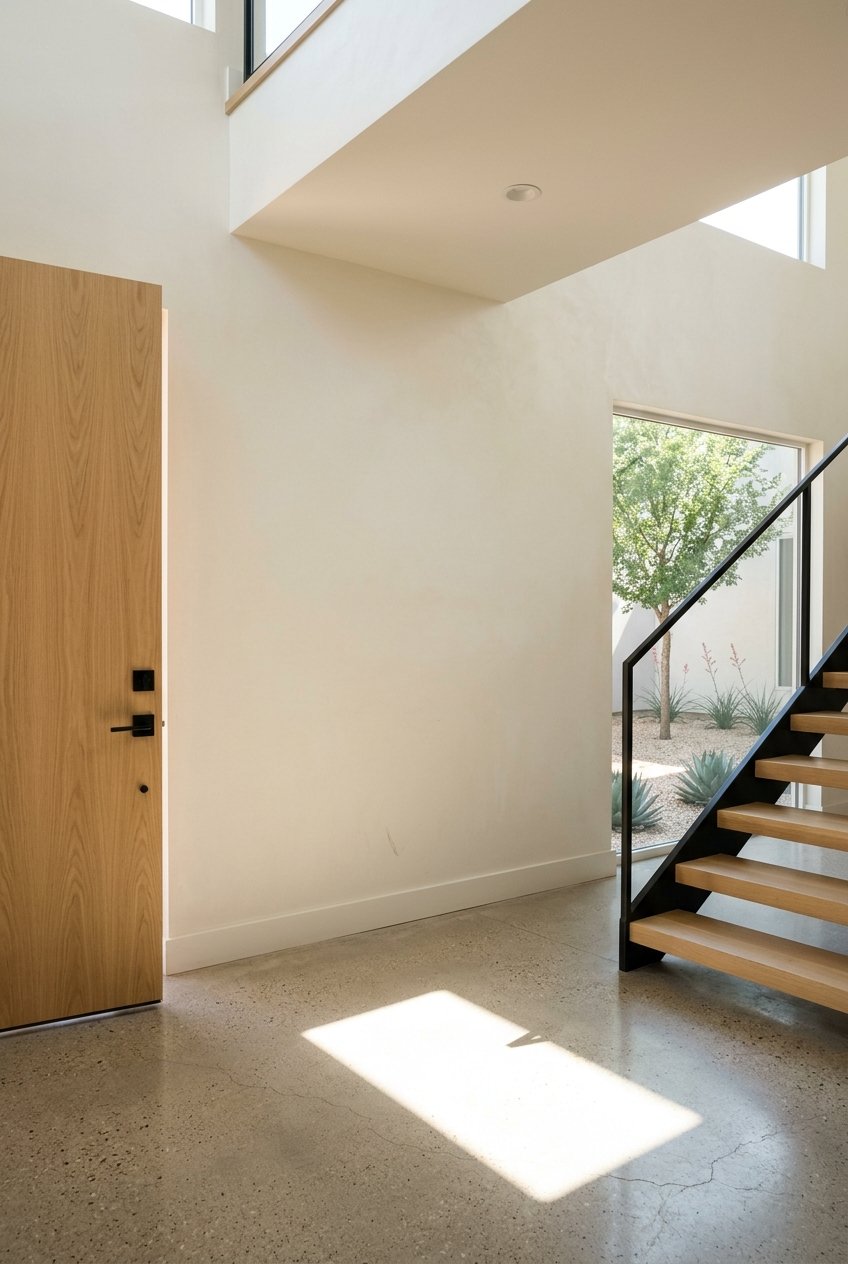
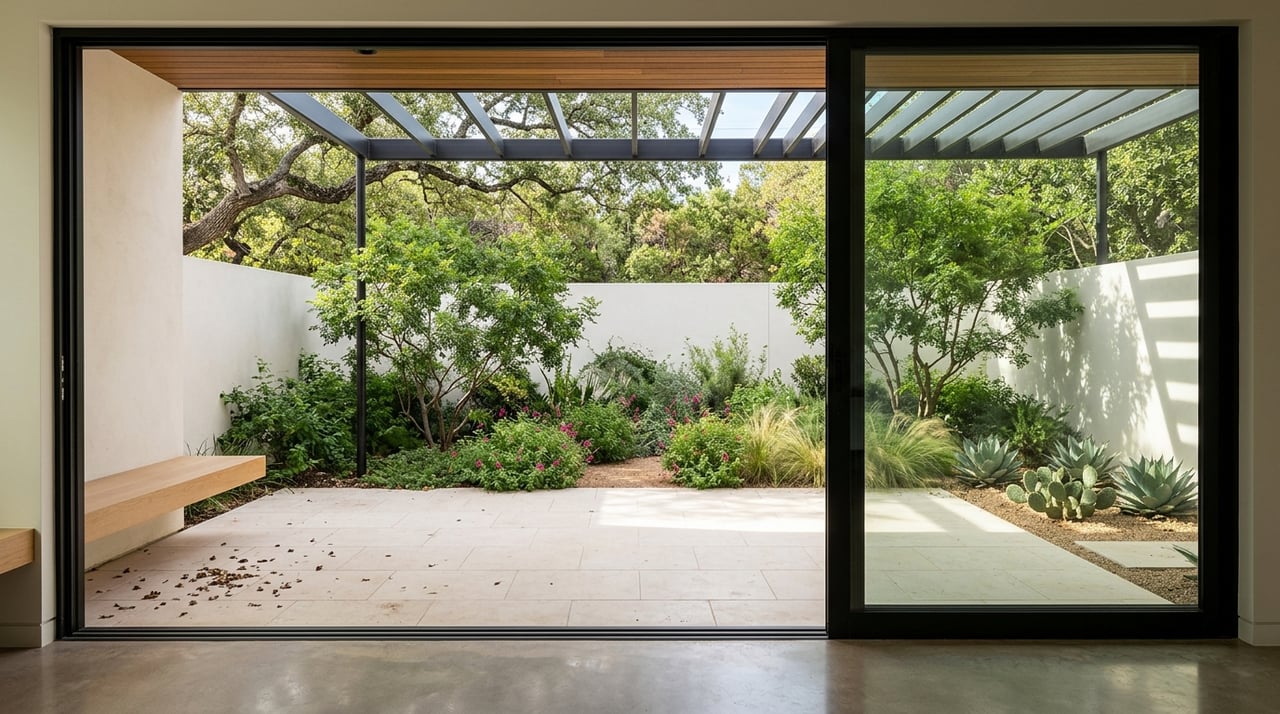
Contemporary infill homes often use flat or low-pitched roofs, limited ornament, and a mix of materials. Some are designed to reduce their street presence by moving garages to the rear through alley access. Others use clerestory windows, courtyards, and landscaping to create privacy, shade, and light.
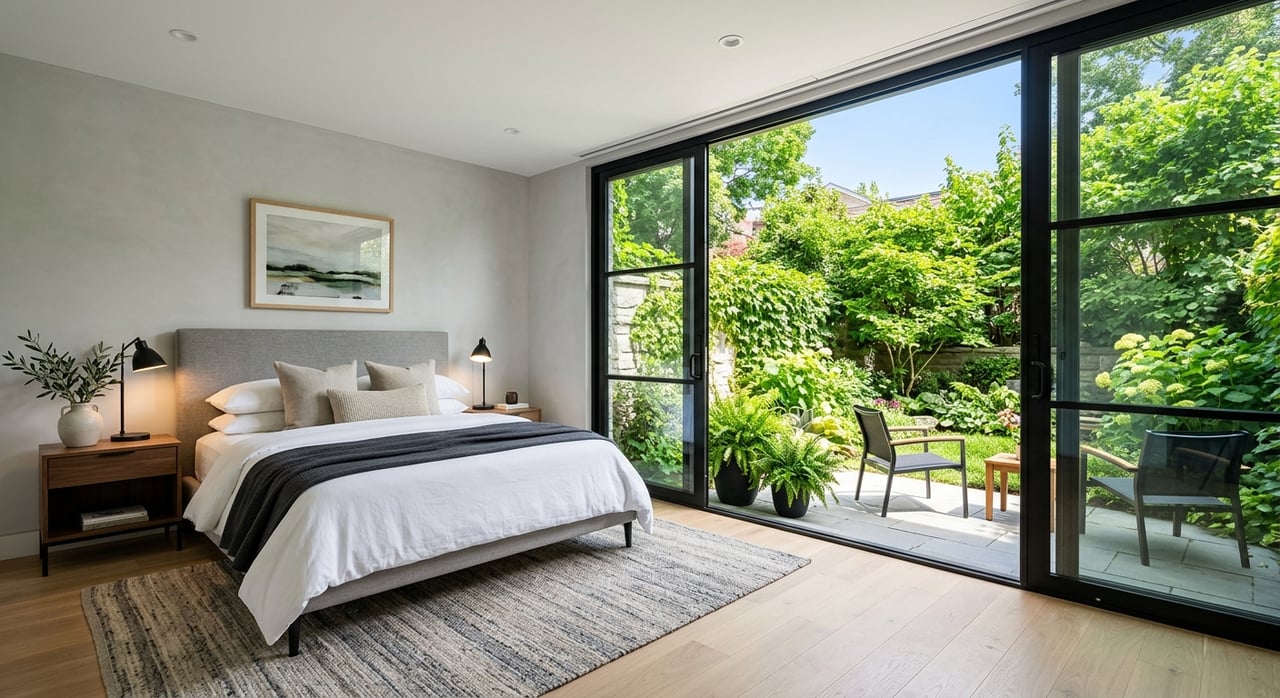
For buyers, the practical effect is often clear. These homes can feel brighter, more private from the street, and more connected to outdoor living. While not every newer home functions the same way, many buyers are drawn to the daylight and separation of public and private spaces that newer planning often provides.
Newer homes tend to make a fast first impression because they often look turnkey. The layout may feel more current, storage is often better, and indoor-outdoor flow is usually more intentional. For buyers who want fewer immediate projects, that can be a major advantage.
Still, buyers also compare these homes to the lot and surrounding streetscape. In Zilker, a large two-story build may appeal because of space and finish level, but buyers also pay attention to how it fits the site. Street presence, tree coverage, privacy, and outdoor usability all matter.
Architectural style is not just about curb appeal. In Zilker, style often signals how the house will live day to day, how bright it may feel, and how easy future updates might be.
Vintage minimal traditional homes usually have the tightest floor plans. Rooms may feel more separate, and the kitchen may not connect as directly to the main living areas. Buyers who love original charm may accept that, while others immediately start thinking about renovation options.
Ranch homes usually offer the clearest one-level circulation. That makes them appealing to buyers who want ease of movement and a practical layout. Contemporary infill homes often separate public and private areas more dramatically through two-story planning or courtyard-centered design.
Ranch and contemporary homes usually have the strongest daylight strategy. Larger windows, sliding doors, and direct access to patios or decks can make these homes feel open and airy. Older homes can still have great light, but original versions often rely more on porches and smaller openings unless they have been updated.
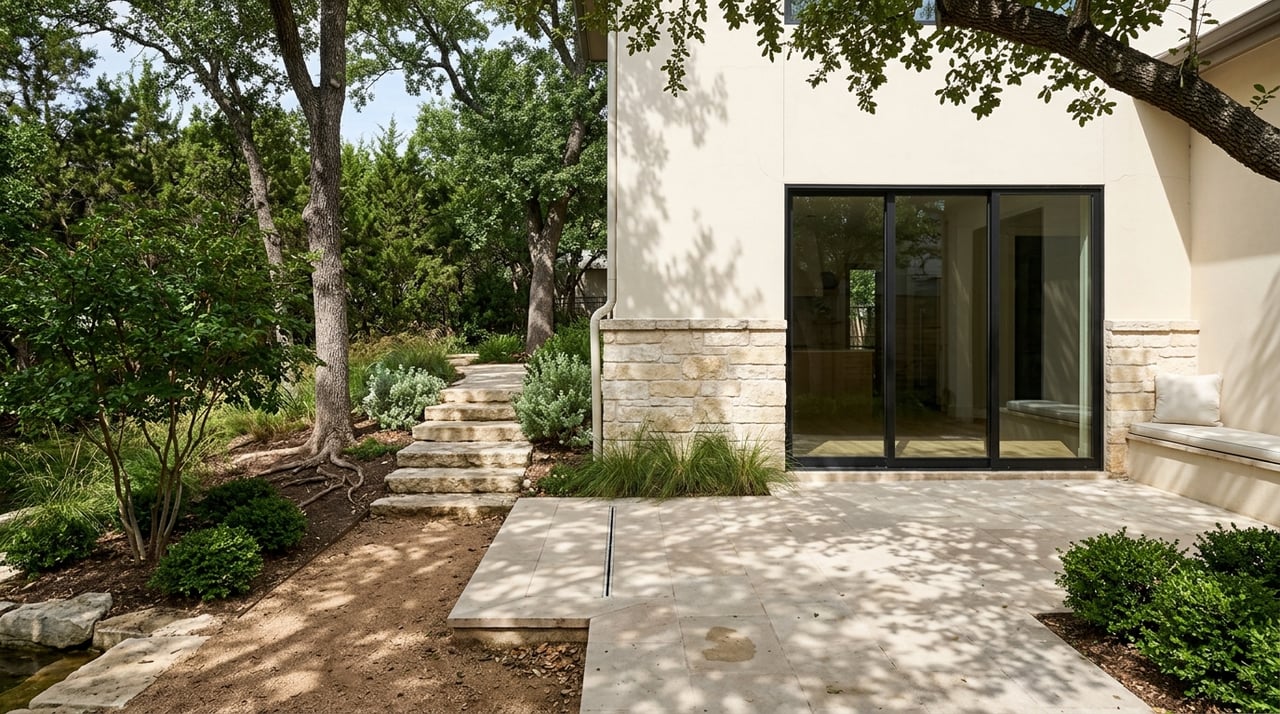
In Zilker, that indoor-outdoor relationship matters. Buyers are often paying attention to yard use, tree cover, and how the home connects to the lot. A house that opens naturally to the backyard can feel more aligned with what many people want from the neighborhood.
When buyers evaluate a home in Zilker, they are often asking three quiet questions. Does it feel turnkey? Does it have character? And how hard will it be to improve later?
Ranch homes and newer contemporary homes often feel the most move-in ready. Their layouts usually suit current expectations more closely, and they often make better use of light and outdoor access. That does not mean every home in those categories is updated, but the underlying form often works in their favor.
Vintage minimal traditional homes usually carry the most obvious original character. Their scale, porch details, and simple forms often feel rooted in the older fabric of Zilker. Buyers who want a home with personality often gravitate toward these properties even when they know updates may be needed.
For many buyers, ranch homes are the easiest to understand and adapt. The one-story footprint and more connected layout can make future changes feel simpler. In older homes, common high-impact improvements often include opening the kitchen to the living area, enlarging rear openings, and adding at the back while respecting the original scale.
In newer infill homes, improvement opportunities are often different. The biggest gains may come from landscaping, shade, privacy, and making the outdoor areas work better with the architecture. In Zilker, site planning matters as much as interior design.
In a neighborhood with mature trees and older homes, the lot can shape your options as much as the floor plan. Austin regulates protected trees at 19 inches in diameter and heritage trees at 24 inches. In practical terms, that can affect additions, pools, driveways, and grading.
Historic review can matter too. If a property is in a local historic district, exterior changes are subject to review, and contributing properties may qualify for a tax abatement. For buyers and sellers alike, these details can influence what is possible down the road and how a home should be positioned in the market.
If you are selling a home in Zilker, understanding what buyers notice can help you present the property more effectively. A vintage home may benefit from highlighting original scale and charm while making the backyard connection feel stronger. A ranch may shine when the light, layout, and one-level living are easy to see. A newer home often benefits from a clean story around privacy, outdoor living, and site design.
This is where local context really matters. Buyers in Zilker are not only comparing finishes. They are comparing how each home fits the block, the lot, and the lifestyle they want in 78704.
If you are preparing to sell in Zilker and want help positioning your home around the features buyers actually notice, Kevin Haines offers hands-on listing guidance, make-ready coordination, and neighborhood-specific marketing built for Central Austin sellers.
Stay up to date on the latest real estate trends.
Whether selling or buying, Kevin's clients appreciate his down-to-earth attitude and his commitment to ensuring every transaction is smooth and successful.