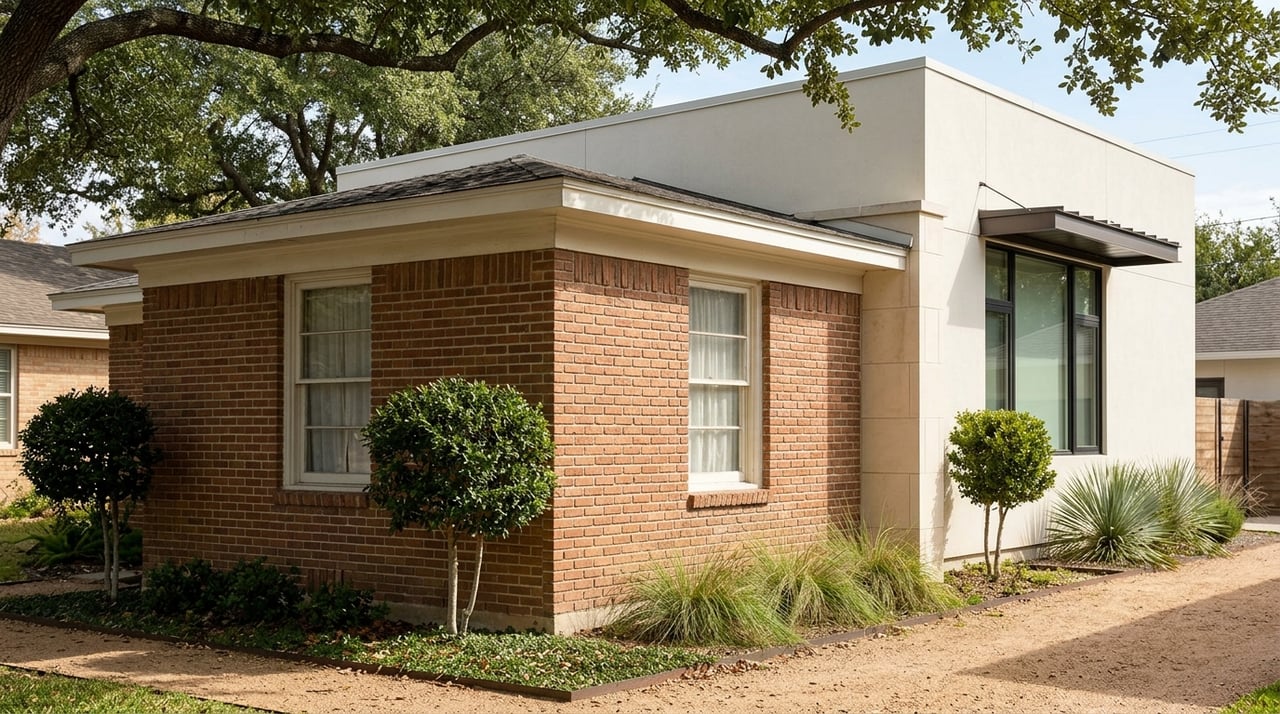
Older vs New Homes in Zilker: What Buyers Compare
June 18, 2026
June 18, 2026
You can feel the difference the moment you start touring homes in Zilker. One property may have bungalow charm, mature trees, and a lot in a prime central location. Another may offer crisp finishes, a modern layout, and fewer immediate repair questions. If you are comparing older and newer Zilker homes, the real challenge is figuring out which tradeoffs matter most to you. Let’s dive in.
Zilker is not just another Austin neighborhood. It is a central, amenity-rich area shaped by its access to Zilker Metropolitan Park, Barton Springs Pool, the Ann and Roy Butler Hike and Bike Trail, and other major destinations. That location helps explain why buyers are often willing to weigh condition, layout, and maintenance differently here than they would in a less central part of the city.
Redfin’s May 2026 snapshot shows Zilker with a median sale price of $1.27M and a median 50 days on market. It also reports walk and bike scores of 75 and 82. In practical terms, buyers are often balancing the lifestyle value of the location against the cost and condition of the home itself.
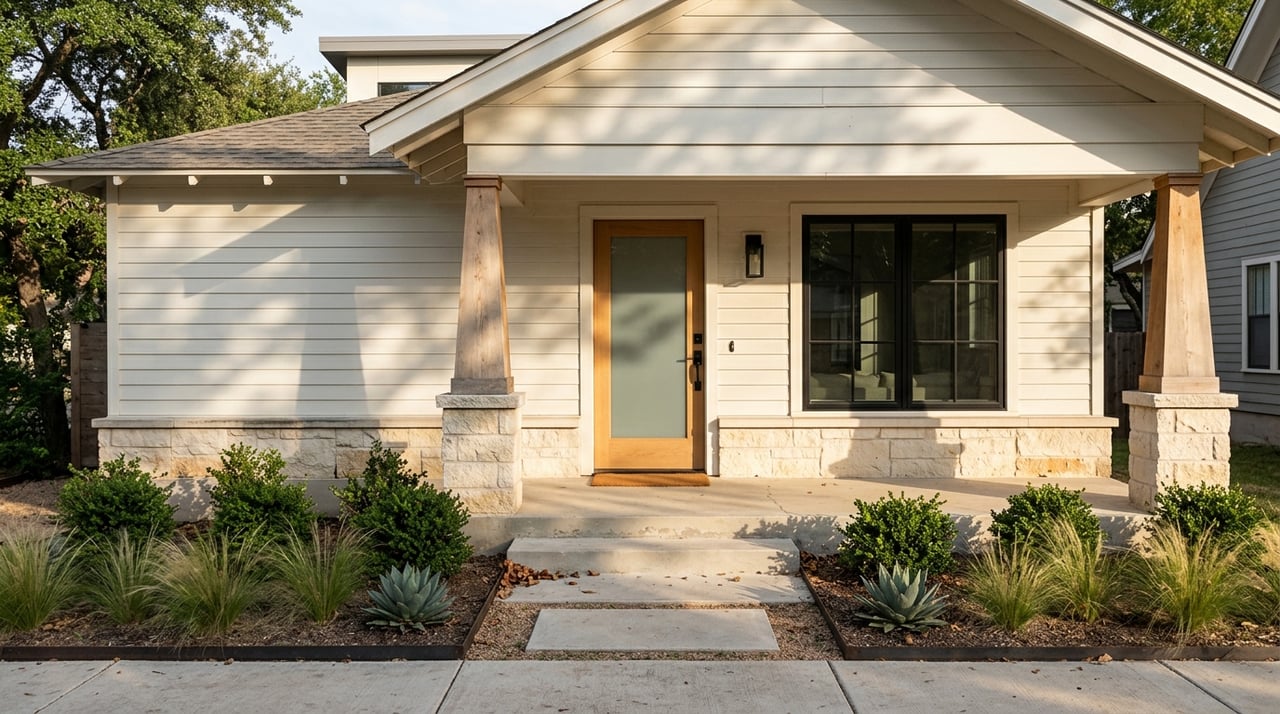
Older Zilker homes often compete on character, lot appeal, and location. In this part of Austin, “older” frequently means classic bungalow, ranch-style, or mid-century-era homes rather than simply outdated houses. Austin’s architectural history notes that bungalows were common in early suburban development, while ranch and mid-century modern homes filled many lots in the late 1940s and 1950s.
That matters because buyers are not just comparing age. They are comparing distinct housing types with very different experiences. An older bungalow may win you over with scale, original details, or a lot that feels established, while a ranch home may appeal for its footprint and renovation potential.
Older homes can also stay competitive because of where they sit. In a neighborhood as desirable and walkable as Zilker, buyers may accept less-updated interiors if the property gives them strong access to parks, trails, and central Austin amenities.
Newer homes usually compete on turn-key condition, modern design, and lower maintenance expectations. Zillow’s 2024 Consumer Housing Trends Report found that 43% of new-construction buyers said move-in-ready condition was their top reason for choosing a new home, and 74% placed it in their top three reasons.
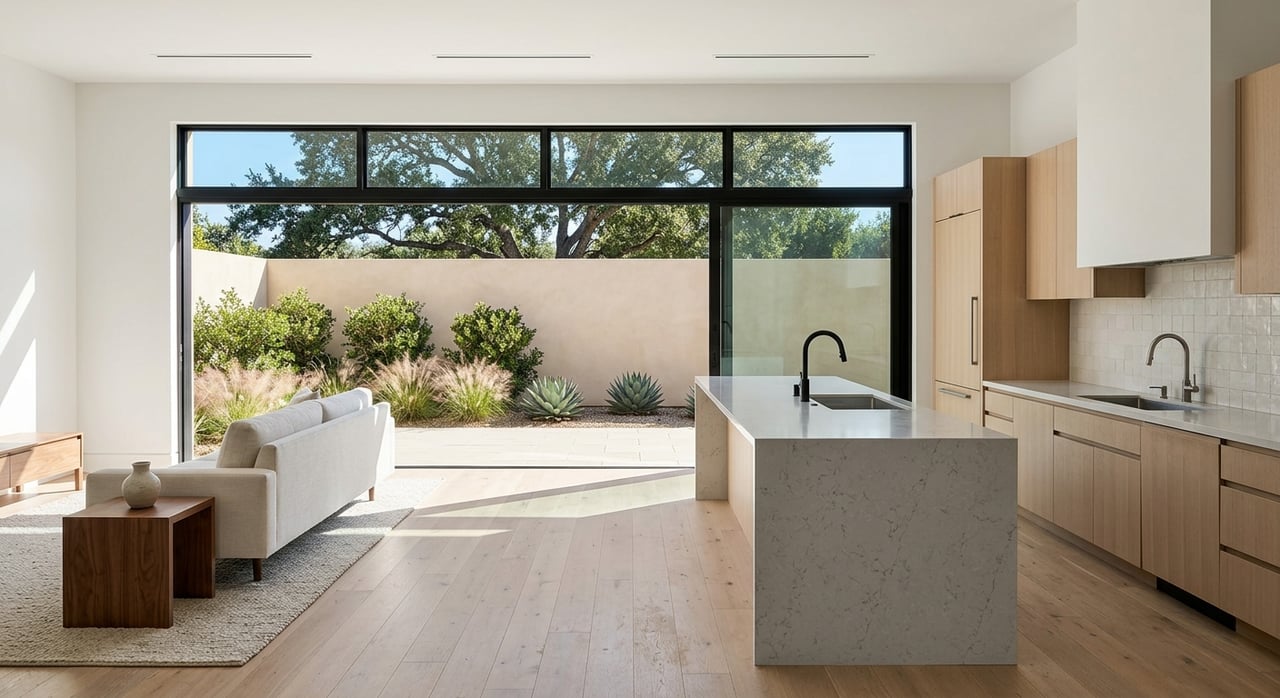
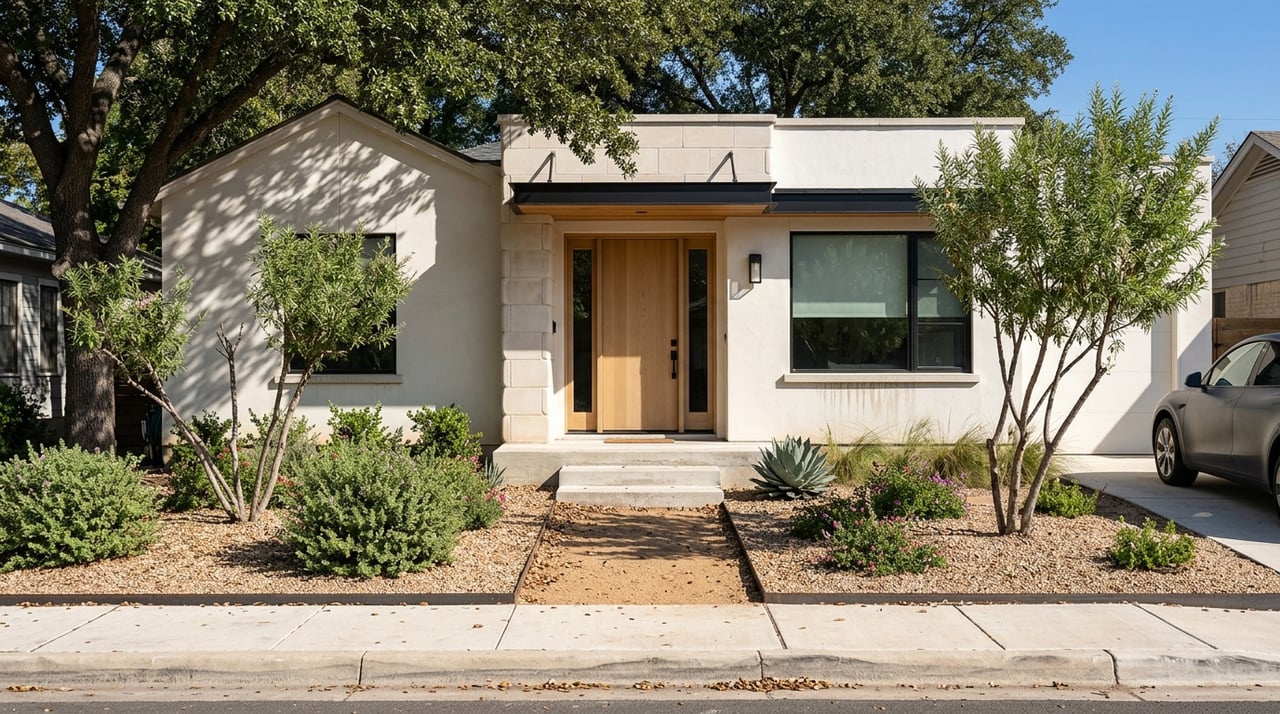
That preference shows up clearly in Zilker. When you tour newer infill homes, the appeal is often immediate. You are likely to see contemporary layouts, updated systems, and finishes that feel current without requiring a renovation plan on day one.
NAR’s 2024 Generational Trends report adds more context. It found that 45% of buyers who purchased new homes did so to avoid renovations or plumbing and electrical problems. In a neighborhood where older homes may need more system review, that peace of mind can justify a premium for some buyers.
One of the biggest differences buyers notice is layout. Older homes may have more compartmentalized rooms and a floor plan shaped by an earlier era. Newer homes are more likely to match current preferences for open living areas, larger kitchens, and flexible spaces.
This tracks with buyer preference data. Zillow found that 84% of new-construction buyers rated their preferred layout as highly important, and modern floor plans were one of the top reasons buyers chose newer homes. In Zilker, that means layout is not a small detail. It is often central to the decision.
If you love older homes, pay close attention to whether the layout works for your day-to-day life as-is. If it does not, the next question is whether the home and lot can support the kind of changes you would want to make.
When buyers compare older and newer Zilker homes, surface finishes are only part of the story. The deeper questions often involve roofs, plumbing, electrical, insulation, windows, and buried utilities. These items may not photograph like a remodeled kitchen, but they can shape how secure a home feels.
That concern is especially relevant locally. The City of Austin’s Zilker Water and Wastewater Renewal Project is addressing aging infrastructure and documented water line breaks in the area. For buyers, that is a useful reminder that system reliability can matter just as much as style.
In many cases, a well-maintained older home can compete strongly with newer construction if key systems have been updated. On the other hand, a house with unresolved maintenance issues may feel less attractive even if the lot or location is excellent.
Energy performance is another key part of the comparison. The U.S. Department of Energy says many older homes have less insulation than homes built today, and that windows account for 25% to 30% of residential heating and cooling energy use. In a place like Zilker, where Redfin’s climate data flags severe heat risk, buyers tend to notice comfort and efficiency quickly.
NAR found that heating and cooling costs were the most important environmental feature for 33% of recent buyers, while windows, doors, and siding were very important for 31%. That means newer homes may hold an advantage if they deliver better insulation, tighter construction, and stronger overall comfort.
Still, this is not automatically a win for newer homes. The Department of Energy also notes that improving existing windows, air sealing, and insulation can be a cost-effective way to improve comfort and lower bills. An older Zilker home with thoughtful upgrades may narrow the gap more than you expect.
In Zilker, the lot itself can be a major part of value. Some buyers are not only asking whether the current house works for them. They are also asking what the property could become over time.
Austin’s HOME amendments, adopted on May 16, 2024, allow up to three housing units on SF-zoned property and created a small-lot single-family use for lots between 1,800 and 5,750 square feet. Depending on the specific lot, that may open up options related to additions, ADUs, or redevelopment, subject to deed restrictions and site-specific rules.
This is one reason some older homes remain so competitive. Even if the house itself needs work, buyers may see long-term value in the lot and its flexibility. In some cases, asking price reflects both the current condition and the future use potential.
Not every older home offers the same renovation path. If a property is designated or potentially historic, exterior changes and new construction can trigger historic review. Austin also notes that inclusion in a survey does not, by itself, create historic designation.
For buyers, this matters because renovation scope affects value. A home that seems full of opportunity may look different once you understand what changes are feasible. If your plan depends on expanding, reworking the exterior, or building something additional, you will want to evaluate those limits carefully.
Buyer priorities have also shifted in practical ways. Zillow found that off-street parking or a garage, private outdoor space, and assigned parking became more important after 2019. In Zilker, where lot sizes, street conditions, and infill patterns vary, those features can shape how competitive a home feels.
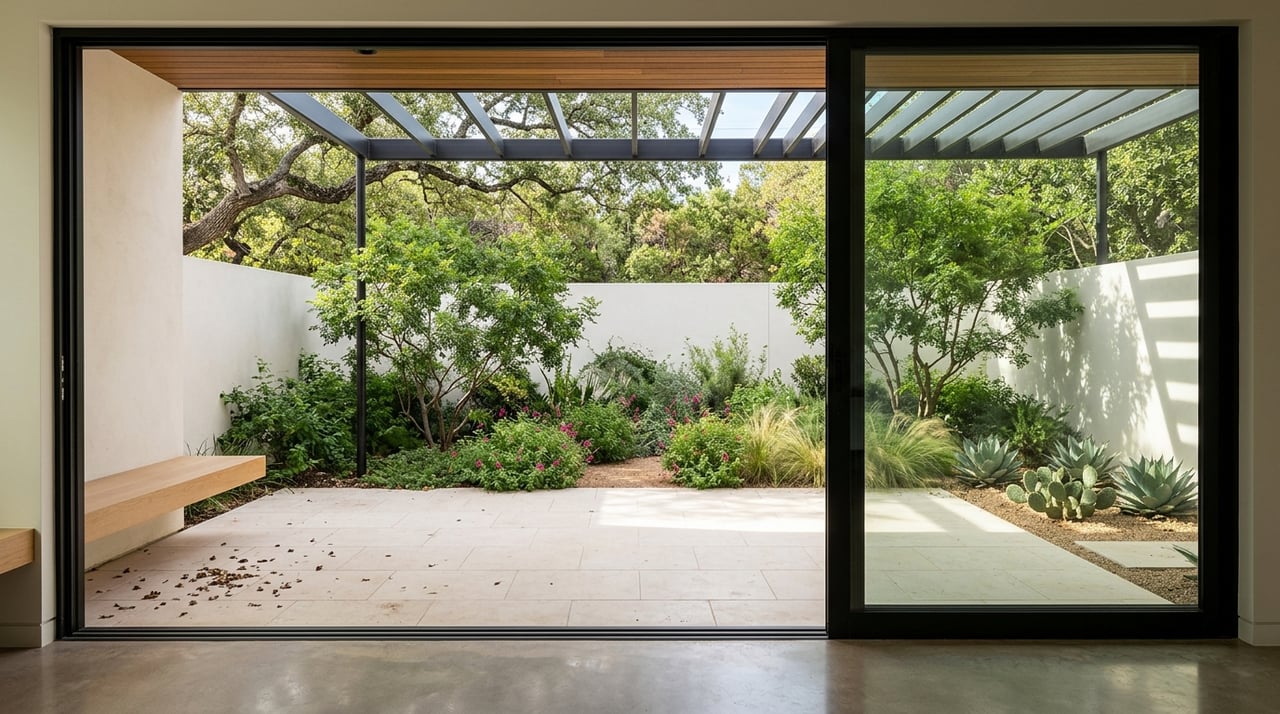
Newer homes often benefit from more intentional site planning. That can make parking, outdoor living, and overall functionality feel easier. But some older homes may still win if they have a strong lot configuration, usable yard space, or a detached structure that adds flexibility.
At a high level, buyers tend to justify paying more for newer Zilker homes when they want simplicity. They are often paying for fewer immediate projects, more current layouts, better energy performance, and less uncertainty around systems. For busy buyers, that convenience can be worth the added cost.
Older homes usually make sense when you place a high value on character, central location, or lot potential. NAR found that buyers of previously owned homes were often motivated by better overall value, better price, and more charm and character. That logic fits Zilker especially well, where the neighborhood itself carries so much appeal.
The right answer depends on what you want to optimize. Some buyers want a home that is ready now. Others are comfortable trading turn-key condition for long-term upside in a prime location.
If you are weighing older versus newer homes in Zilker, focus on the factors that most directly affect your ownership experience:
When you compare homes through that lens, the decision usually becomes clearer. Instead of asking whether older or newer is better in the abstract, you can judge which option delivers the best fit for your priorities.
If you are preparing to sell a home in Zilker, this same framework matters on the listing side too. Buyers are already making these comparisons, and the homes that show best are the ones positioned clearly around their strongest advantages. If you want help evaluating how your home will be perceived against newer or older competition, reach out to Kevin Haines for a local, practical conversation.
Stay up to date on the latest real estate trends.
Whether selling or buying, Kevin's clients appreciate his down-to-earth attitude and his commitment to ensuring every transaction is smooth and successful.